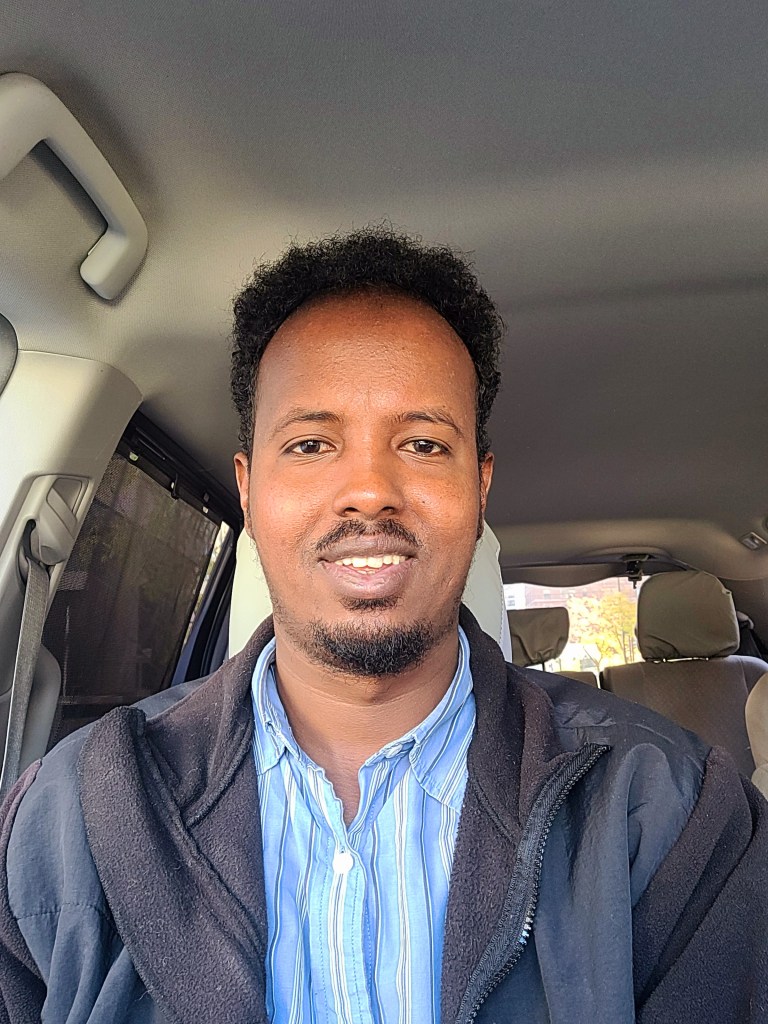
Somali musician and social media personality influencer for the Somali community based in the USA.
Originally from Hargeisa, Somaliland.
known for his music and his efforts to promote Somali culture.
Here's a breakdown of what the search results suggest:
Music Career:
Shakir Essa is a musician with a presence on Apple Music, Spotify, and SoundCloud.
He has several songs available, including "Jacaylkaaga I hayoo", "Deeqa Axmed Gaydh", "Sidad i ogayd baan (Deeqa Axmed)".
Some of his songs are available for purchase on Amazon.com.
His music is described as African Dancehall.
Other Activities:
He describes himself as "inspiring the global perspective on Somali culture".
He aims to enrich public discourse and preserve Somali music distribution through digital media.
He has a Facebook page with a significant following.
He is based in the US and was born in Hargeisa, Maroodi Jeex, Somalia.
His birth date is April 14, 1988.
He also has a LinkedIn profile where he lists his experience as a General Manager at Interactive Brokers.
Overall:
Shakir Essa appears to be a multifaceted individual with a background in music and a strong commitment to promoting Somali culture and engaging with his audience through various digital platforms.
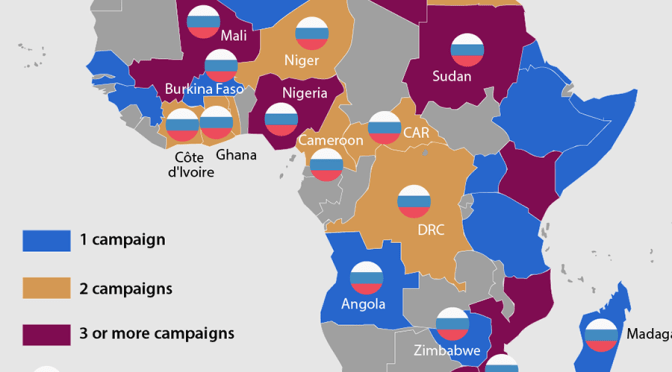
High-level Russian officials are meeting with Russian partners across Africa, seeking to advance the Kremlin’s strategic goals of projecting greater Russian influence to supplant the West and better positioning Russia for prolonged confrontation with the West.
The paragraph discusses Russia’s efforts to strengthen its military and economic presence in Africa, with a focus on advancing its strategic goals, projecting influence, and supplanting the West. It details high-level Russian officials’ visits to African countries, highlighting the intent to strengthen military cooperation, expand economic engagement, pursue nuclear energy and agricultural cooperation, and increase arms sales. Additionally, it covers Russia’s aim to gain political allies, mitigate Western isolation, and advance its narratives, as well as the formation of a pro-Russian bloc in the Alliance of Sahel States. The paragraph underscores Russia’s strategy to threaten NATO’s southern flank, degrade Western influence, and capitalize on new revenue streams and export markets in Africa.
I provided an overview of Russia’s strategic activities in Africa, including its efforts to strengthen military presence, expand economic engagement, pursue nuclear energy and agricultural cooperation, increase arms sales, gain political allies, and advance Russian narratives. The high-level visits by Russian officials to African countries and the potential impact of Somalia’s threat to expel Ethiopian forces were highlighted, emphasizing the multifaceted approach Russia is taking to bolster its influence and strategic positioning on the continent.
Recognize Somaliland as an independent nation in Africa
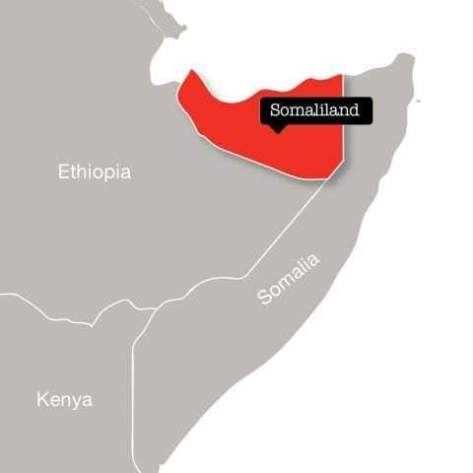
Somaliland is the newest country in Africa,
Somaliland, historically, the area now comprising Somalia and Djibouti. The name is also used to refer to the Republic of Somaliland, a self-declared independent country in the Horn of Africa
Rep. Ilhan Omar stated in a speech on Jan. 27 in Minneapolis that she would leverage her influence to block a potential agreement between Ethiopia and the breakaway Republic of Somaliland regarding access to the sea. In a corrected translation, Omar declared in Somali that “The U.S. government will do what we tell the U.S. government to do.”
That is the confidence we need to have as Somalis … As long as I’m in Congress, no one will take over the seas belonging to the nation of Somalia.”
The United States should carefully examine the prospect of recognizing Somaliland. 80 percent of the population is made up of the Isaaq clan, making it ethnically distinct from Somalia. Despite lack of international recognition, it has created a reasonably free and democratic society over the past 30 years, with presidential elections in 2003, 2010 and 2017, and is due to go to the polls again this November. International observers in 2017 noted that “Somaliland’s success in establishing a viable political system that combines customary structures with the representative electoral mechanisms of the nation-state has been impressive.”
Somaliland still faces challenges of corruption, economic and political marginalization, and violence against women. But over the same 33-year period, Somalia, which asserts its sovereignty, has been in freefall, beset by internal violence and weak political institutions.
Freedom House, which produces an annual assessment of political freedoms and civil liberties, last year rated Somaliland as “partly free” with a score of 44 out of 100. Somalia was declared “unfree” with just 8 of 100. For context, the United States only managed 76 of 100.
President Joe Biden should take advantage of a diplomatic opportunity for security and stability in the Horn of Africa, despite concerns about Islamic sentiment. Somalia is often associated with the 1993 Battle of Mogadishu depicted in the film “Black Hawk Down,” and American forces have been intermittently present in the country for over 30 years. The official American policy supports Somalia’s sovereignty and territorial integrity within its 1960 borders, but there is potential for policy change. The Republic of Somaliland declared independence from the central government in 1991, and even though the territory seeking autonomy has a complex colonial history, there is an opportunity for reconsideration of its status.
determined group of legislators campaigning for recognition of Somaliland. Britain’s support for Operation Prosperity Guardian and military action against the Houthis suggests an obvious partnership: change tack, support indigenous economic development and show the region a new model of stepping up to self-sufficiency and the West’s enthusiasm to embrace vibrant nations as part of the security architecture. Success is by no means guaranteed — but the approach of the past 30 years has shown itself exhaustively to be a failure.Eliot Wilson is a freelance writer on politics and international affairs. He was senior official in the U.K. House of Commons from 2005 to 2016, including serving as a clerk of the Defence Committee and secretary of the U.K. delegation to the NATO Parliamentary Assembly.
Country music has a rich history that reflects the development of Africa, stemming from traditional African sounds and expanding into diverse subgenres that continue to enthrall audiences. Additionally, it’s common to experience homesickness upon returning from breaks, signifying a strong attachment to loved ones, and the process of adjusting to a new environment may take some time.
Is it right to leave your country?What is one song from your country that makes you emotional and why?
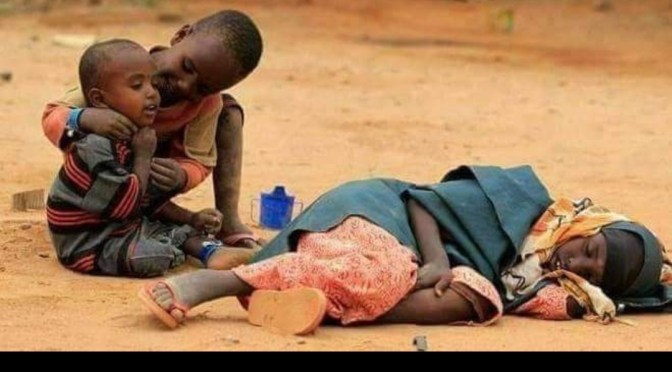
I am a refugee, I lost my country, I lost my small house, I lost my father and mother, brother and sisters (Repeat lyrics)
No guns, no fight,
We need life with peace,
No guns, no fight,
We need life with peace,
We don’t need more war,
We don’t need more deaths,
We don’t need more war,
We don’t need more deaths
I am dreaming like everyone in the world
I am dreaming like everyone in the world
To be a human, living a good life (Repeat lyrics)
I am dreaming like everyone in the world
I am dreaming like everyone in the world,
To be a human, living a good life,
We are Somalis,
We are Africans By: Somali Artist Shakir Essa
Is it right to leave your country?
Everyone has the right to leave any country, including his own, and to return to his country.”1 In accordance with UN human rights practices, the Declaration was given specific form.
What country is not allowed to leave? North Korea North Korea is just about the only country that forbids most people from leaving. Why do you miss your home country so much? Being in a new place and missing your home, family, friends, and pets, is completely normal. It means that you have a healthy attachment to your loved ones. It will take a while to adjust to your new
This can be caused by missing family and friends, feeling isolated in an unfamiliar environment, or struggling to adjust to your academic workload. It is also normal to feel homesick in the weeks following the Christmas and Easter breaks after spending time back home.
Listen to this emotional song: I’m Refuge I lost my country, by Somali Artist Shakir Essa
Listen to: I am a refugee, I lost my country,I lost my small house,I lost my father and mother, brother and sisters(
I am a refugee, I lost my country,
I lost my small house,
I lost my father and mother, brother and sisters
(Repeat lyrics)
No guns, no fight,
We need life with peace,
No guns, no fight,
We need life with peace,
We don't need more war,
We don't need more deaths,
We don't need more war,
We don't need more deaths

I am dreaming like everyone in the world
I am dreaming like everyone in the world
To be a human, living a good life
(Repeat lyrics)
I am dreaming like everyone in the world
I am dreaming like everyone in the world,
To be a human, living a good life,
We are Somalis,
We are Africans
“Refuge” by Shakir Essa really dives deep into the whole losing-your-homeland thing. It’s like a rollercoaster of emotions for refugees, you know?
Seeking stability, yearning for a place to call home – it’s a real emotional ride. But hey, it’s also a reminder that we all just want a little security and a spot to chill, right? So yeah, “Refuge” is all about showing that human spirit can power through some tough times and keep on reaching for hope.
The song’s lyrics encapsulate the struggles of a refugee’s journey, bringing a powerful reminder of the universal desire for a place to belong. It’s like, “Hey, we’re all in this crazy world together, trying to find our place, you know?” The emotions in the song really hit hard and show the strength that comes from enduring tough times. It’s like the human spirit saying, “Hey, I got this. I can handle whatever life throws at me.”
So, when you listen to “Refuge”, it’s not just a song – it’s a whole vibe, a feeling that resonates with anyone who’s been through tough times and come out stronger. It’s like a musical hug saying, “You got this. You’re stronger than you think.” And that’s pretty awesome, right?
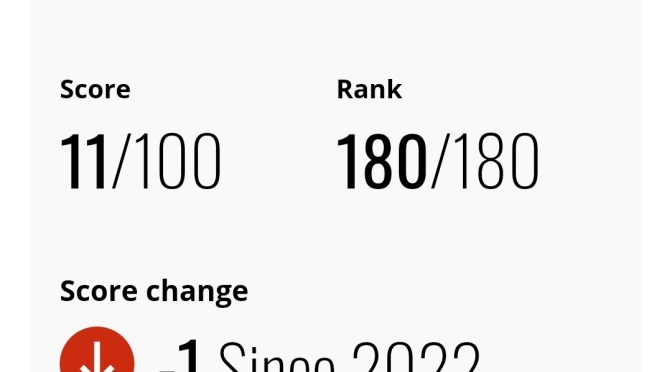
Scoring 180 countries around the world, the Corruption Perceptions Index is the leading global indicator of public sector corruption. Somalia has a score of 11 this year, with a change of -1 since last year, meaning it ranks 180 out of 180 countries.
Top 20 Safest Countries in Africa. Tanzania. …Botswana. …Kenya. ..Somaliland..Uganda. …Namibia. …Zambia. …Mauritius. Mauritius, a beautiful island in Africa, is a safe haven for travelers. …Lesotho. Lesotho, a tiny country surrounded by South Africa and mountains, is a great destination for travelers seeking safe places in Africa.
David Pilling is the Africa editor and a columnist at the Financial Times. He covers business, politics and development on the continent and writes a regular column on topics from Africa. Before that he was the Asia editor and assistant editor. Previous roles include Tokyo bureau chief, pharmaceuticals correspondent, deputy features editor and correspondent in Buenos Aires and Santiago.He is the author of two books – The Growth Delusion (2018), shortlisted for the Orwell Prize, and the highly acclaimed Bending Adversity: Japan and the Art of Survival (2016).He is a regular moderator and speaker both for the FT and for organisations including the World Bank, OECD and ADB. In 2023 he briefed a G7 meeting in Kamakura, Japan on the ideas behind his book,
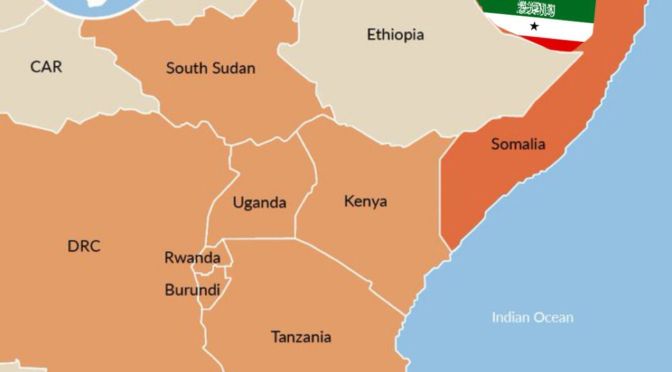
Ethiopia to recognize Republic of Somaliland for sea accessThe federal government is reportedly willing to become the first African nation to recognize the sovereignty of the Republic of Somaliland, a breakaway Somali territory, in exchange for a lease on a 20 kilometer stretch of the Somaliland coast and access to Berbera Port.Stakes in state-owned Ethiopian Airlines and Ethio telecom are also on the table in the Somaliland deal, according to Ambassador Redwan Hussein, security advisor to the Prime Minister.An MoU signed with Somaliland President Muse Bihi will also enable Ethiopia to operate a military base and commercial port in Somaliland, according to Redwan.
The agreement would include Ethiopia’s eventual recognition of Somaliland as an independent nation. Somalia considers
Monday’s surprise pact has triggered fury in Mogadishu, which considers it a violation of its sovereignty.It was announced only days after Somalia’s central government had agreed to resume dialogue with the separatist northern region after years of stalemate.
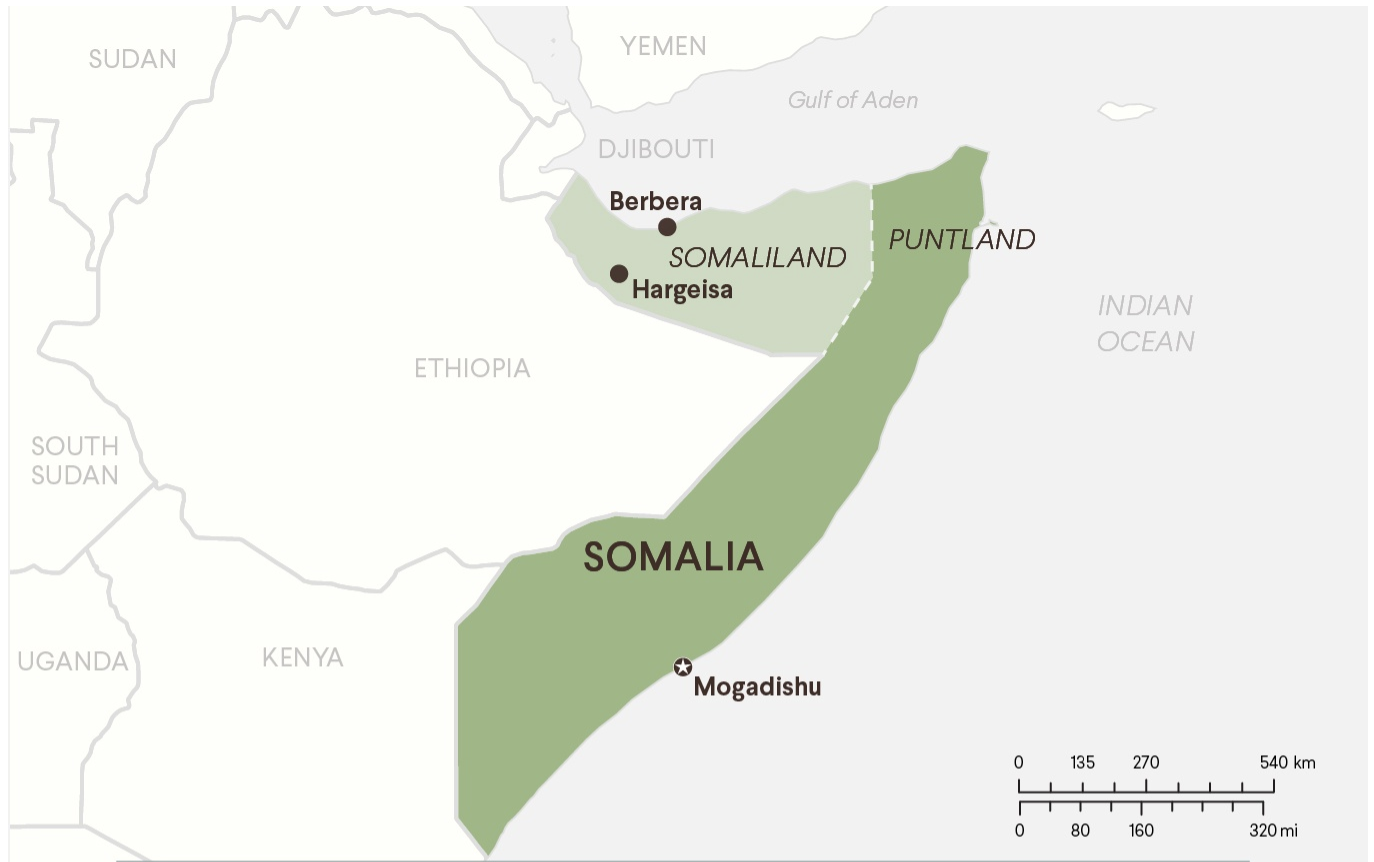
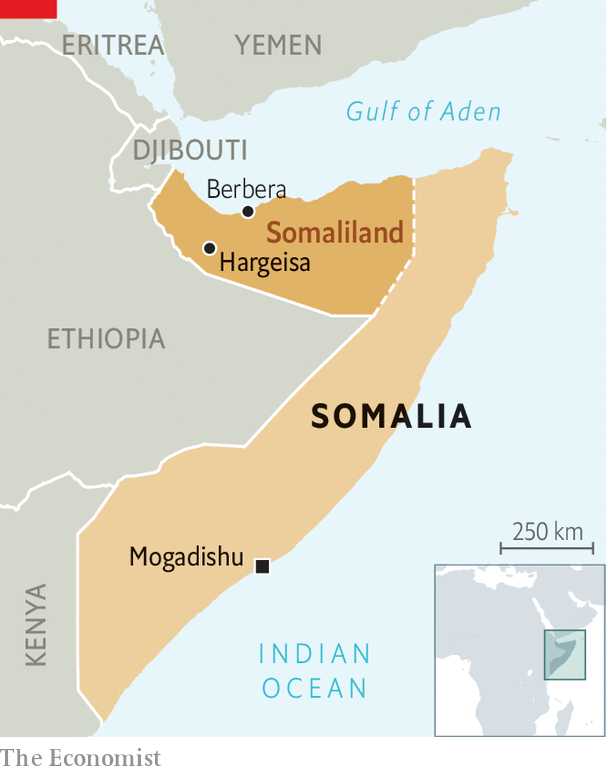
Somaliland has been seeking full statehood since claiming independence from Somalia in 1991, a move fiercely opposed by Mogadishu and not recognised internationally. The Addis Ababa agreement gives landlocked Ethiopia long-desired access to the Red Sea, a key waterway for global trade.”This historic agreement ensures Ethiopia’s access to the Red Sea for their naval forces, reciprocated by formal recognition of the Republic of Somaliland, marking this as a significant diplomatic milestone for our country,” Somaliland’s foreign ministry said in a statement.Somali National Television said on X, formerly Twitter, that there would an emergency cabinet meeting on Tuesday to discuss the agreement.
There has been no immediate reaction from President Hassan Sheikh Mohamud’s office, but his predecessor Mohamed Abdullahi Mohamed, better known as Farmajo, said on X it was a “serious concern for Somalia and the whole of Africa
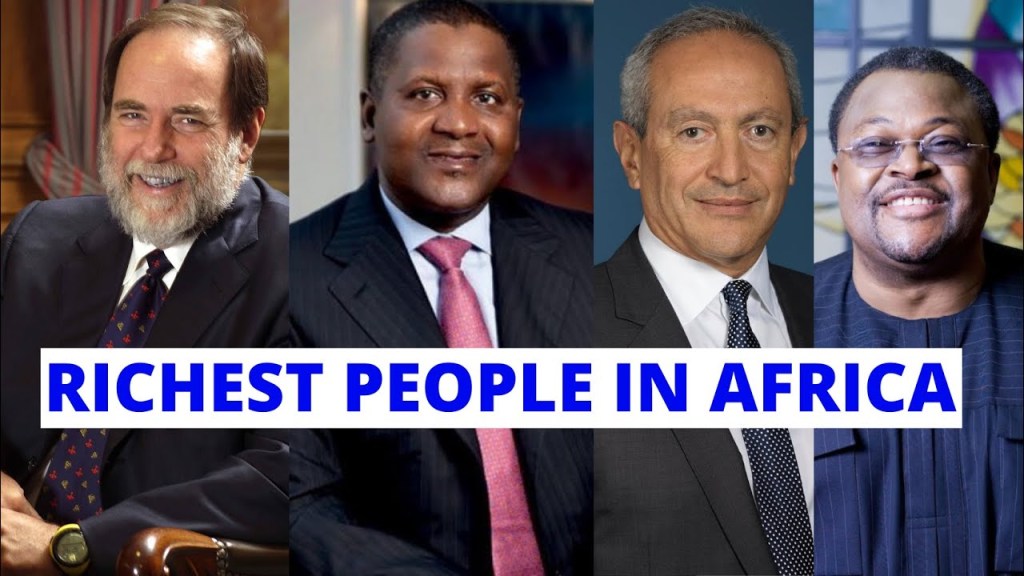
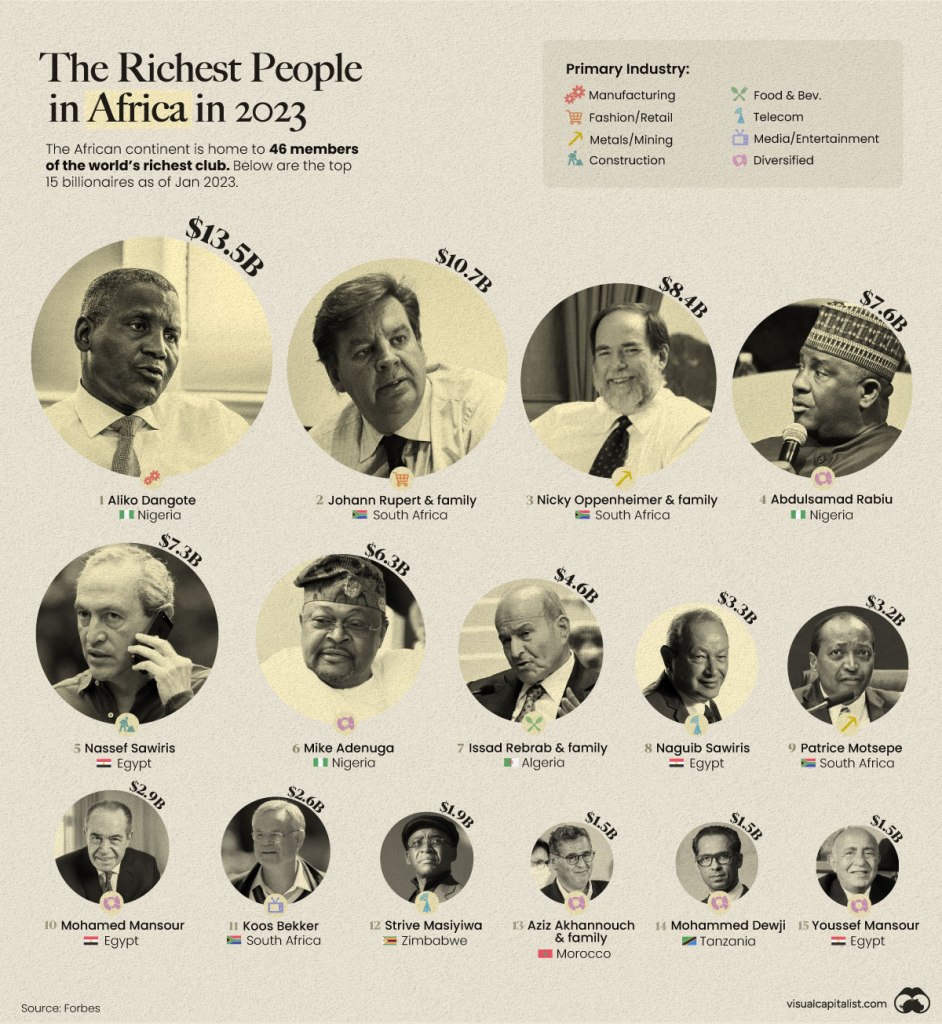
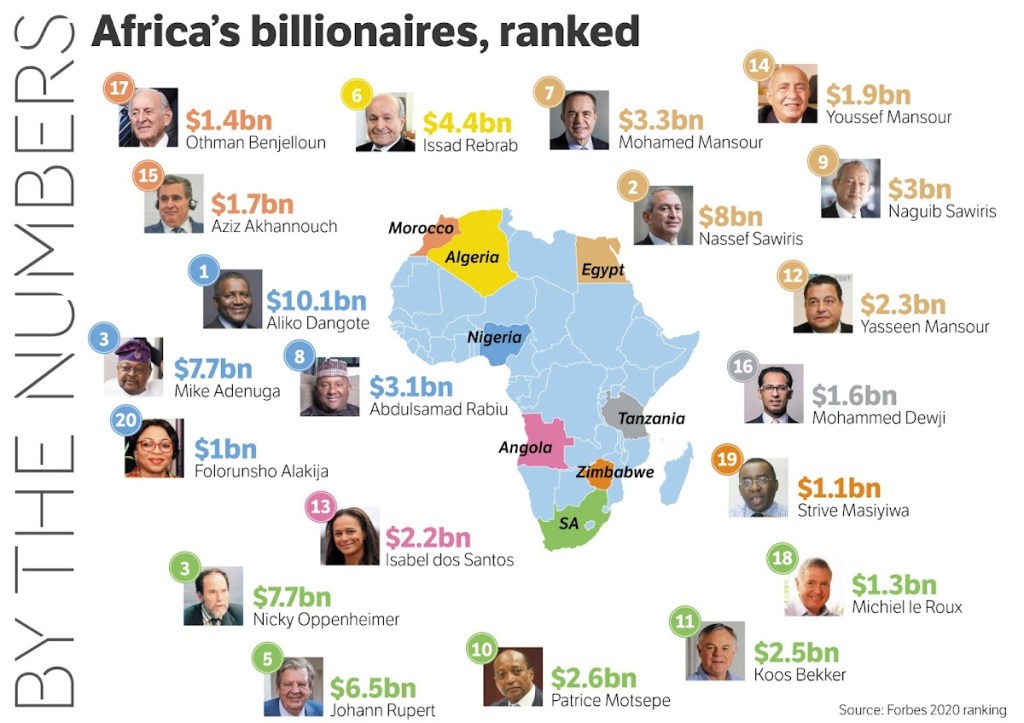
This graphic ranks the richest people in Africa. Aliko Dangote from Nigeria leads the group.
Ranked: Who Are the Richest People in Africa? The African continent is home to 46 billionaires, the second-lowest total of any global region.
The number of wealthy individuals in Africa is growing, however. Total private wealth is expected to rise 30% over the next decade, led by growth in the billionaire and millionaire segments.
Visualized here are Africa’s richest, using data collected by Forbes, on billionaires who reside on the continent and have their primary business there.
Breaking Down Africa’s Billionaires The richest man in Africa is also the richest Black man in the world. Once a small sugar trader, Aliko Dangote now has a net worth of $13.5 billion. He is the 86th richest person in the world, and single-handedly makes up 25% of the total wealth of African billionaires.
His company, the Dangote Group is now an African conglomerate with interests in a range of sectors, including sugar, cement, and real estate.
Rank Name Net Worth (billions, USD) Industry Citizenship 1 Aliko Dangote $13.5 Manufacturing 🇳🇬 Nigeria 2 Johann Rupert & family $10.7 Fashion & Retail 🇿🇦 South Africa 3 Nicky Oppenheimer & family $8.4 Metals & mining 🇿🇦 South Africa 4 Abdulsamad Rabiu $7.6 Diversified 🇳🇬 Nigeria 5 Nassef Sawiris $7.3 Construction & Engineering 🇪🇬 Egypt 6 Mike Adenuga $6.3 Diversified 🇳🇬 Nigeria 7 Issad Rebrab & family $4.6 Food & Beverage 🇩🇿 Algeria 8 Naguib Sawiris $3.3 Telecom 🇪🇬 Egypt 9 Patrice Motsepe $3.2 Metals & mining 🇿🇦 South Africa 10 Mohamed Mansour $2.9 Diversified 🇪🇬 Egypt 11 Koos Bekker $2.6 Media & Entertainment 🇿🇦 South Africa 12 Strive Masiyiwa $1.9 Telecom 🇿🇼 Zimbabwe 13 Mohammed Dewji $1.5 Diversified 🇹🇿 Tanzania 13 Aziz Akhannouch & family $1.5 Diversified 🇲🇦 Morocco 13 Youssef Mansour $1.5 Diversified 🇪🇬 Egypt The top three—Alike Dangote, Johann Rupert, and Nicky Oppenheimer—account for 40% of the total wealth of those ranked.
A Look Through the Rest of the Richest People in Africa At number two on the list is Johann Rupert. The chairman of Swiss luxury goods company, Compagnie Financiere Richemont, started his career with a banking apprenticeship in New York, before returning to South Africa and eventually pivoting to retail.
Through the rest of those ranked, a range of diverse business activities have allowed these billionaires to garner their wealth.
Nicky Oppenheimer (3rd) and Patrice Motsepe (9th)—have made fortunes in the mining industry, a sector that contributes nearly 10% to sub-Saharan Africa’s GDP. Meanwhile, Naguib Sawiris (8th) and Strive Masiyiwa (12th) have built telecom empires.
Billionaire Wealth Mirrors Country Wealth Only seven out of the 54 African countries are represented on Africa’s rich list, and even amongst them, three countries (Egypt, South Africa, and Nigeria) account for more than two-thirds of the top-ranked billionaires.
Country Rank in African Economy Individuals on Top 15 Billionaire List 🇳🇬 Nigeria #1 3 🇿🇦 South Africa #2 4 🇪🇬 Egypt #3 4
Ranked: Who Are the Richest People in Africa?
The home countries for these billionaires reflect the nation’s’ contribution to the African economy as a whole. Nigeria, South Africa, and Egypt have the top three GDPs in Africa.
Algeria—where Issad Rebrab (7th) is from—is ranked fourth, and Morocco—where Aziz Akhannouch (13th) is based—is fifth.
What’s Next For Africa’s Richest? Africa has routinely been touted to become a future economic powerhouse as its demographic dividend pays off in the next few decades. However, its biggest challenge will be developing its economic and social infrastructure to retain local talent to make their fortunes at home.
African Billionaires
WEALTH Ranked: Who Are the Richest People in Africa? Published on July 18, 2023 By Shakir Essa
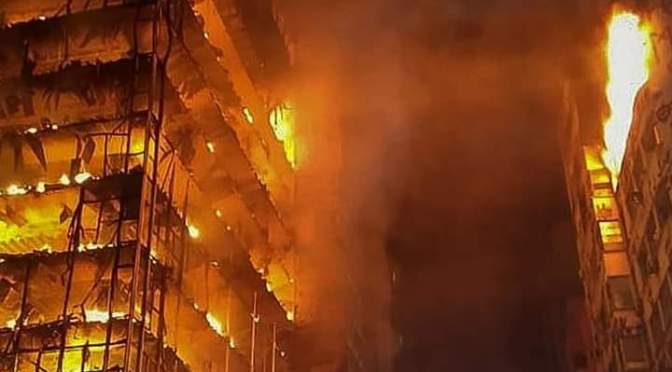
The fire reportedly caused severe damage of millions of dollars in Hargeysa Somaliland and destroyed the 5km market.
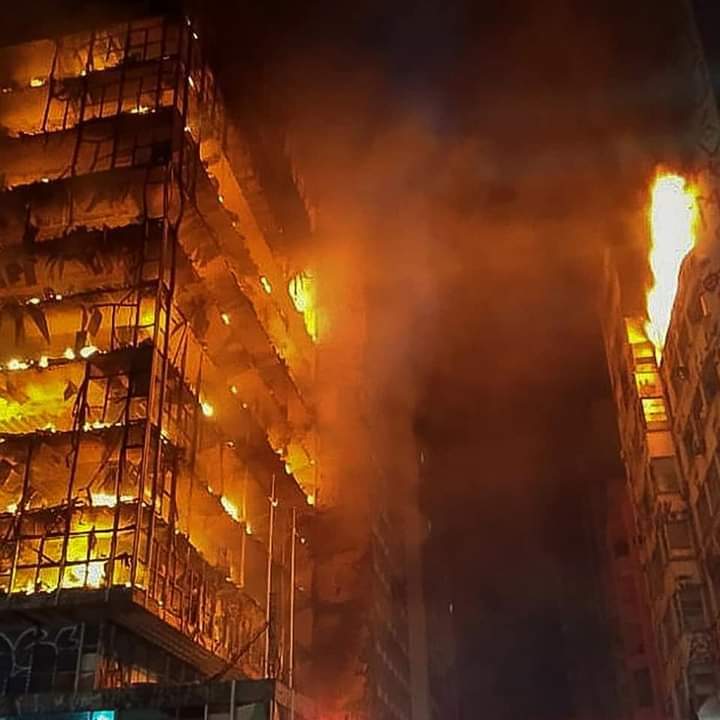
The fire reportedly caused severe damage of millions of dollars in Hargeysa Somaliland and destroyed the 5km market.
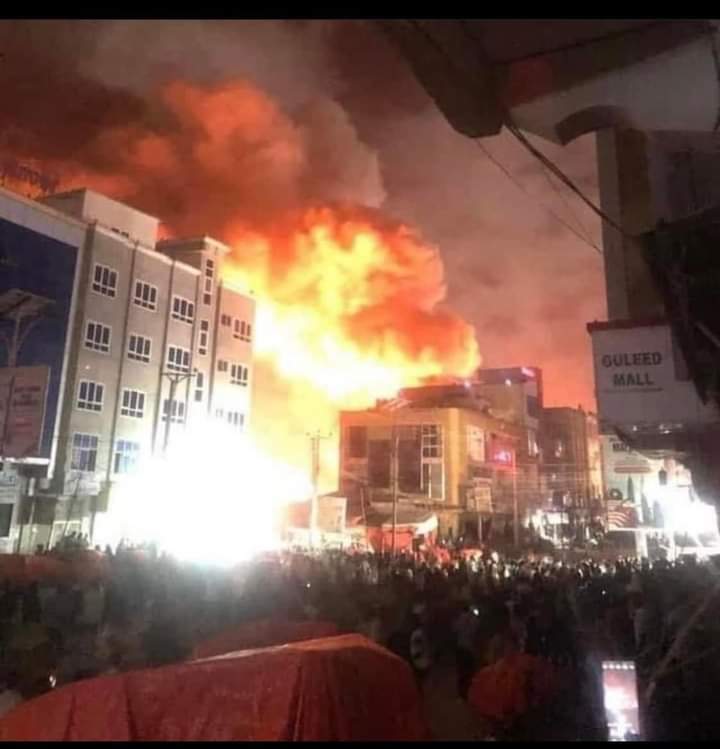
A Huge Fire in the Hargeisa market, Somaliland, The Hargeysa somaliland market damaged almost nearly 3000 businesses and caused by the fire that broke out at around 8 pm last night in Waheen market in the center of Hargeisa, the capital of Somaliland.
A fire in the Hargeisa market, Somalialand, the Somaliland market .
Efforts are also underway to extinguish the blaze, which has now been largely extinguished.
Hargeisa Mayor Abdikarin Ahmed Mooge, speaking in front of the damages, announced that his town’s property had been destroyed.
50 casualties been reported so far, 2 people killed and 50 have been wounded
Basho Bushaaro, a market trader, told reporters that he had burned down 10 businesses in the market and lost $ 400,000.
Somaliland, officially the Republic of Somaliland, is a de facto state in the Horn of Africa, considered internationally to be part of Somalia. Somaliland lies in the Horn of Africa, on the southern coast of the Gulf of Aden
“I live in Waheen Bacdlaha market in Hargeisa. I have lived there for 20 years and 10 businesses have burned down. My business was decorating houses and everything has burned down,” said businessman Basho Bushaaro.
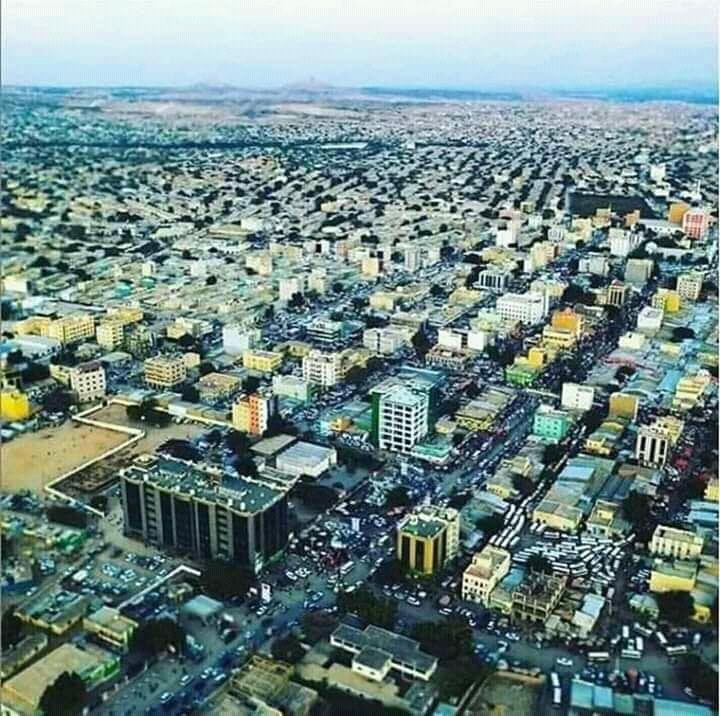
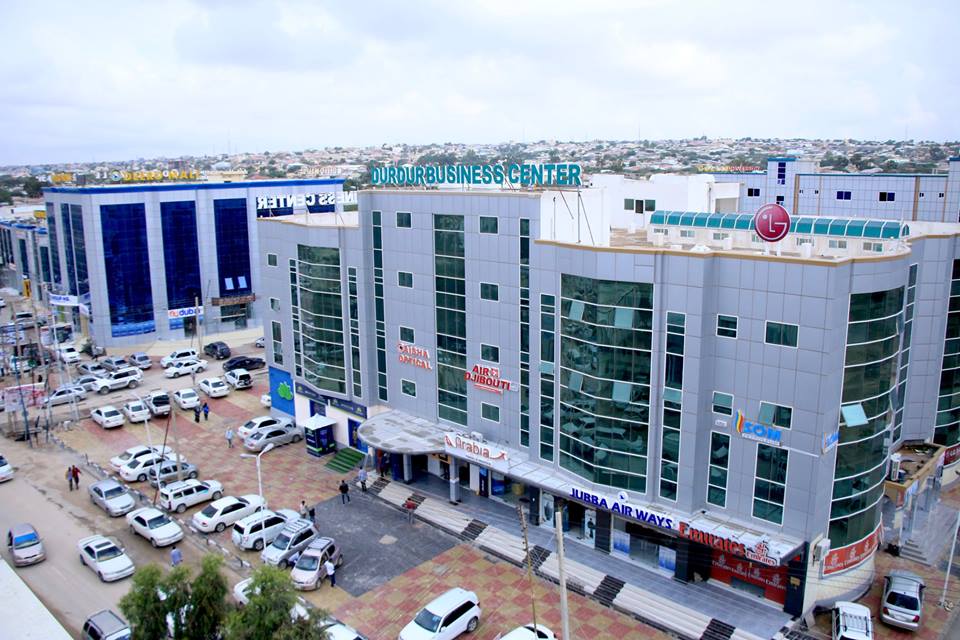
Hargeisa is the capital and largest city of Somaliland. HARGEYSA 2.1 million people residents and located in the eastern border of Ethiopia Horn of Africa. It succeeded Berbera as the capital of the British Somaliland Protectorate in 1941
He added: “Your nation is destitute in the market. The situation of the nation tonight is terrible.
Somaliland officials said the fire could not be contained immediately due to a lack of access to the site, which led to the blaze engulfing the market and causing the situation to deteriorate.
However, the cause of the fire is not known, although reports say that the fire first started in a house in the market which later spread all over Waheen market.
Hargeisa is the capital and largest city of Somaliland. HARGEYSA 2.1 million people residents and located in the eastern border of Ethiopia Horn of Africa. It succeeded Berbera as the capital of the British Somaliland Protectorate in 1941
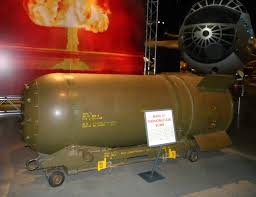
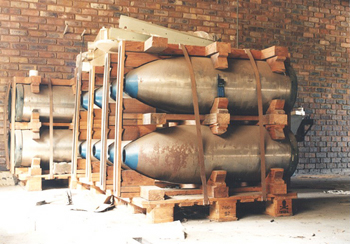
The warheads were originally configured to be delivered from one of several aircraft types then in service with the South African Air Force (SAAF),
Russia and China Drive Africa’s Plan for Nuclear ExpansionOfficials in South Africa and across the African continent continue to explore new nuclear power generation projects, and the region provides an opportunity for other countries to export their advanced nuclear technologies.
The Koeberg Nuclear Power Station
South Africa’s Department of Mineral Resources and Energy in May said it wants a plan to procure as much as 2.5 GW of nuclear generation capacity within the next five years.
South Africa today has just two commercial reactors, both at the Koeberg Nuclear Power Station north of Cape Town.1.
The Koeberg Nuclear Power Station, which was commissioned in 1984 and is operated by South Africa state-owned utility Eskom, features two pressurized water reactors, each with 970 MW of generation capacity.
Koeberg (Figure 1) is the only nuclear power plant currently in commercial operation on the entire African continent, although the International Atomic Energy Agency (IAEA) recently said nearly a dozen other African nations have talked with the IAEA about formulating plans for nuclear power.
Bomb casings at South Africa’s abandoned Circle nuclear bomb production facility near Pretoria. These most likely would have accommodated a gun-type nuclear package for air delivery
The World Nuclear Association said at least seven sub-Saharan African states have signed agreements to deploy nuclear power with backing from Russia.
Rosatom, the state-owned Russian nuclear company, is “currently working with more than 15 sub-Saharan African countries, including Ghana, Zambia, Kenya, South Africa, the Republic of Congo, Rwanda, Tanzania and others; as well as with the following North African countries: Egypt, Algeria, Tunisia and Morocco,” according to Ryan Collyer, acting CEO of Rosatom Central and Southern Africa, who corresponded with POWER.
Jacob Shapiro, the founder and chief strategist for Austin, Texas-based Perch Perspectives, told POWER that South Africa “will need outside investment” to support an expanded nuclear program, which is likely the case for any African nation. “Investment will come from the same suspects that bid on nuclear projects in South Africa before: Russia, China, France, South Korea, and possibly the United States.
Japan may throw its hat into the ring as well, but they have struggled to be competitive in more reliable markets than South Africa, like the UK and Turkey.”Shapiro continued: “It is hard for me to imagine Russia gaining much traction after [South African President Cyril] Ramaphosa scrapped the previous deal with Rosatom in 2019. That said, domestic politics can change quickly in South Africa and maybe it will be most interested in not getting caught between the U.S. and China, making Russia, South Korea or France better alternatives.
This still ultimately comes down to whichever government thinks South Africa is most important to its strategic interests, and that’s clearly China.”Russia, for its part, said it has a “wide range of technologies to offer” African nations exploring nuclear power.
Collyer told POWER those technologies range “from ‘large’ light water reactors [pressurized water reactors or PWRs] with capacity over 1 GW to small modular reactors [SMRs]. We were first to deploy commercial fast neutron reactors and are likely to be first to deploy high temperature gas-cooled reactors.
For each country we come up with a solution tailored to the features of the regional electricity market, including the readiness of the distribution grid.”The Nuclear Industry Association of South Africa (NIASA) has said there are at least six potential options for financing new nuclear power plants in the country, with Mineral Resources and Energy Minister Gwede Mantashe telling a parliamentary committee in mid-May he is open to considering innovative funding options in order to develop new nuclear capacity.
Support for new nuclear power plants in South Africa dimmed after the ruling party forced Jacob Zuma to resign as president in 2018, and officials had said the country could not afford to build additional plants. It also had been thought the economic issues caused by the COVID-19 pandemic would inhibit government-financed energy projects.However, Mantashe told the country’s lawmakers, “The nuclear build plan will go ahead and we will explore all options.” He said a contract could be awarded to “develop a modular nuclear station on a build, operate, and transfer basis, and that means there will be no immediate call for funding from the state.”Mantashe’s group, in a presentation to a parliamentary committee about its plans for the next five years, said, “The development of the roadmap for the 2,500-MW nuclear new-build program will be commencing soon.” Shapiro told POWER the most likely investor for that development is China. “China is South Africa’s most important trading partner, an important source of investment, and has been making inroads there for a while,” he said. “However, unlike the last time South Africa sought bids in 2016, the U.S. now views China as a strategic threat and I could see the U.S. government getting involved to push either an America alternative or an ‘anyone but China’ alternative. Think of what the U.S. is doing with Huawei—a similar tactic is possible, especially if President Trump wins again.”Though China may have an edge in trade with South Africa,
Russia is actively pursuing export of its nuclear technology across the continent, as it is doing around the globe. Rosatom has secured more than 30 reactor supply deals in recent years, and in 2019 the company said it had international projects worth $202.4 billion in its portfolio. The company also said it has 36 reactor construction projects outside of Russia at various implementation stages, and already has working agreements with Rwanda, Uganda, the Republic of Congo, and Ethiopia. “As for South Africa, we have great respect for the path taken by the country in the development of the nuclear industry.
We are open to cooperation on the widest range, subject to a request from our South African colleagues,” said Collyer. “Despite the shortcomings of the grid infrastructure in Africa, the latest generation of tried and tested ‘large’ PWRs, which are already being built in series across the globe, are still the clear winners in most regions, this in terms of the cost of electricity compared to any other technology.
In Africa, we are able to offer our latest generation PWR-type reactors—the VVER-1200—which is state of the art compared to the previous generation reactors. It is 20% more powerful; the amount of personnel operating the reactor has decreased [by] between 30% and 40%; and the lifetime of the reactor has doubled to 60 years, with the possibility of lasting an additional 20 years.“Considering the energy needs and peculiarities of energy systems of some African countries, Rosatom may offer its new solution—SMR nuclear power plant [NPP]. Rosatom has extensive experience with small-scale reactors that we have been mastering over many years on nuclear icebreakers, making them as safe and efficient as our flagship large reactors. Our RITM series reactors are the most modern ones, and already have references, as they are installed on board icebreakers of a new class, the first of which is undergoing sea trials,” Collyer said.The NIASA group said financing options for nuclear power in South Africa include:
Government funding of the entire project, or government-backed loan guarantees, supported by money from state-owned companies.
South Africa gets 77% of its energy needs from coal right now,” Shapiro said. “If you look at the most recent South African Integrated Resource Plan [IRP], it’s clear that nuclear is a small part of a more general attempt to reduce reliance on coal and fossil fuels, and embrace solar, wind, and hydropower. South Africa substituting some nuclear so it can burn less coal is progress from an environmental perspective.”Mantashe, in a May 7 address to South Africa’s Portfolio Committee on Mineral Resources and Energy, said his agency is preparing its nuclear power plan as mandated by the country’s 2019 IRP. Mantashe said his department would consider all options for nuclear power, including projects designed around SMRs.
He also said the government is considering replacing the SAFARI-1 research reactor with a multi-purpose reactor. SAFARI-1, which was commissioned in 1965, is a 20-MW light water-cooled, beryllium reflected, pool-type research reactor, initially used for high-level nuclear physics research programs. The reactor is owned and operated by South African Nuclear Energy Corp. at the company’s facility in Pelindaba.“Small modular reactors make more sense for South Africa, especially considering they are just looking for 2.5 GW of power from nuclear,” Shapiro said. “That’s one of the reasons the U.S. or South Korea might actually have an ace in the hole here. NuScale Power in the U.S. and SMART Power Company in South Korea are both at the cutting edge of SMRs. I would be surprised if South Africa didn’t pursue SMRs considering the energy minister specifically said South Africa was looking to develop modular nuclear stations and cost is the primary concern for the South African government.
The bigger question to me is whether South Africa actually goes through with nuclear at all.
I am not convinced South Africa can absorb the cost even if it does go the SMR route. If South Africa does go forward, SMRs are the logical way to proceed.” Mantashe’s agency also is developing an oversight plan for a program to enable Koeberg’s two reactors, which generate about 5% of the country’s electricity, to continue operating until at least 2044.
NIASA has noted that SMRs could be a more cost-effective way for South Africa to achieve its nuclear power goal. “The small units are also quite flexible in terms of location,” the agency said in a recent presentation. “Instead of investing in huge transmission lines where they do not already exist, these units can be sited as close to the load centers as possible.
They can also be located inland as they typically require much reduced cooling water. In the rest of the continent where the transmission infrastructure is limited or the demand is currently limited, the deployment of the SMRs close to load centers such as cities and mines, becomes key. South Africa can become a hub of the nuclear supply chain worldwide, in much the same way as in the automotive and aerospace industries.”The group said that SMRs located in coastal areas, and using high-temperature reactors (HTRs), also could be used for water desalination. Such a design is part of a demonstration project in China, with a reactor known as the HTR-PM, a high-temperature gas-cooled reactor. The HTR-PM differs from currently deployed water-cooled designs; the HTR-PM is cooled by helium and can reach temperatures as high as 750C.Kejian Zhang, chairman of the China Atomic Energy Authority (CAEA), speaking at the International Conference on Climate Change and the Role of Nuclear Power in Vienna, Austria, in October 2019, said, “The HTGR demonstration project with fourth-generation technology has made steady progress, and this reactor will be capable of hydrolytic hydrogen production and high temperature process heat.
We have also recently completed the preliminary design of a pool-type, low-temperature heat reactor, the DHR-400, which may be used for district heating.”2. The Akademik Lomonosov, a first-of-a-kind floating nuclear power plant, was connected to the power grid in Russia in December 2019. The barge is named after a famous academician, Mikhail Lomonosov. Courtesy: RosatomCollyer said Rosatom would be ready to supply SMRs. “We have made a real breakthrough in the small modular reactor.
Last December, our first-of-a-kind floating nuclear power plant Akademik Lomonosov [Figure 2] was connected to the grid in Chukotka, the Russian Far East. Our next priority is an onshore SMR NPP to be built in Russia by 2027. Thus, our versatile flagship SMR design—RITM-200—of 50-MWe capacity will have three key applications: onshore SMR-based plants, floating NPPs, and new icebreakers, which we are currently building for the Northern Sea route. By doing so we’ll secure enough demand to manufacture SMRs in series, which would drive down costs and lead times.”—…Is There a Market for Small Modular Reactors?The nuclear industry has been expecting big things from small modular reactors (SMRs) for a long time, but… WEBINARSSponsored By GE DigitalPower And Utilities: Russia, China Drive Africa’s Plan for Nuclear ExpansionOfficials in South Africa and across the African continent continue to explore new nuclear power generation projects, and the region provides an opportunity for other countries to export their advanced nuclear technologies.
South Africa’s Department of Mineral Resources and Energy in May said it wants a plan to procure as much as 2.5 GW of nuclear generation capacity within the next five years.
South Africa today has just two commercial reactors, both at the Koeberg Nuclear Power Station north of Cape Town.1. The Koeberg Nuclear Power Station, which was commissioned in 1984 and is operated by South Africa state-owned utility Eskom, features two pressurized water reactors, each with 970 MW of generation capacity. Source: Creative Commons / Pipodesign Philipp P. EgliKoeberg (Figure 1) is the only nuclear power plant currently in commercial operation on the entire African continent, although the International Atomic Energy Agency (IAEA) recently said nearly a dozen other African nations have talked with the IAEA about formulating plans for nuclear power. The World Nuclear Association said at least seven sub-Saharan African states have signed agreements to deploy nuclear power with backing from Russia. Rosatom, the state-owned Russian nuclear company, is “currently working with more than 15 sub-Saharan African countries, including Ghana, Zambia, Kenya, South Africa, the Republic of Congo, Rwanda, Tanzania and others; as well as with the following North African countries: Egypt, Algeria, Tunisia and Morocco,” according to Ryan Collyer, acting CEO of Rosatom Central and Southern Africa, who corresponded with POWER.Jacob Shapiro, the founder and chief strategist for Austin, Texas-based Perch Perspectives, told POWER that South Africa “will need outside investment” to support an expanded nuclear program, which is likely the case for any African nation. “Investment will come from the same suspects that bid on nuclear projects in South Africa before: Russia, China, France, South Korea, and possibly the United States.
Japan may throw its hat into the ring as well, but they have struggled to be competitive in more reliable markets than South Africa, like the UK and Turkey.”Shapiro continued: “It is hard for me to imagine Russia gaining much traction after [South African President Cyril] Ramaphosa scrapped the previous deal with Rosatom in 2019. That said, domestic politics can change quickly in South Africa and maybe it will be most interested in not getting caught between the U.S. and China, making Russia, South Korea or France better alternatives.
This still ultimately comes down to whichever government thinks South Africa is most important to its strategic interests, and that’s clearly China.”Russia, for its part, said it has a “wide range of technologies to offer” African nations exploring nuclear power.
Collyer told POWER those technologies range “from ‘large’ light water reactors [pressurized water reactors or PWRs] with capacity over 1 GW to small modular reactors [SMRs].
We were first to deploy commercial fast neutron reactors and are likely to be first to deploy high temperature gas-cooled reactors. For each country we come up with a solution tailored to the features of the regional electricity market, including the readiness of the distribution grid.”The Nuclear Industry Association of South Africa (NIASA) has said there are at least six potential options for financing new nuclear power plants in the country, with Mineral Resources and Energy Minister Gwede Mantashe telling a parliamentary committee in mid-May he is open to considering innovative funding options in order to develop new nuclear capacity. Support for new nuclear power plants in South Africa dimmed after the ruling party forced Jacob Zuma to resign as president in 2018, and officials had said the country could not afford to build additional plants.
It also had been thought the economic issues caused by the COVID-19 pandemic would inhibit government-financed energy projects.However, Mantashe told the country’s lawmakers, “The nuclear build plan will go ahead and we will explore all options.” He said a contract could be awarded to “develop a modular nuclear station on a build, operate, and transfer basis, and that means there will be no immediate call for funding from the state.”Mantashe’s group, in a presentation to a parliamentary committee about its plans for the next five years, said, “The development of the roadmap for the 2,500-MW nuclear new-build program will be commencing soon.” Shapiro told POWER the most likely investor for that development is China. “China is South Africa’s most important trading partner, an important source of investment, and has been making inroads there for a while,” he said. “However, unlike the last time South Africa sought bids in 2016, the U.S. now views China as a strategic threat and I could see the U.S. government getting involved to push either an America alternative or an ‘anyone but China’ alternative. Think of what the U.S. is doing with Huawei—a similar tactic is possible, especially if President Trump wins again.”
Though China may have an edge in trade with South Africa, Russia is actively pursuing export of its nuclear technology across the continent, as it is doing around the globe.
Rosatom has secured more than 30 reactor supply deals in recent years, and in 2019 the company said it had international projects worth $202.4 billion in its portfolio.
The company also said it has 36 reactor construction projects outside of Russia at various implementation stages, and already has working agreements with Rwanda, Uganda, the Republic of Congo, and Ethiopia.“As for South Africa, we have great respect for the path taken by the country in the development of the nuclear industry.
We are open to cooperation on the widest range, subject to a request from our South African colleagues,” said Collyer. “Despite the shortcomings of the grid infrastructure in Africa, the latest generation of tried and tested ‘large’ PWRs, which are already being built in series across the globe, are still the clear winners in most regions, this in terms of the cost of electricity compared to any other technology. In Africa, we are able to offer our latest generation PWR-type reactors—the VVER-1200—which is state of the art compared to the previous generation reactors. It is 20% more powerful; the amount of personnel operating the reactor has decreased [by] between 30% and 40%; and the lifetime of the reactor has doubled to 60 years, with the possibility of lasting an additional 20 years.“Considering the energy needs and peculiarities of energy systems of some African countries, Rosatom may offer its new solution—SMR nuclear power plant [NPP]. Rosatom has extensive experience with small-scale reactors that we have been mastering over many years on nuclear icebreakers, making them as safe and efficient as our flagship large reactors. Our RITM series reactors are the most modern ones, and already have references, as they are installed on board icebreakers of a new class, the first of which is undergoing sea trials,” Collyer said.The NIASA group said financing options for nuclear power in South Africa include:■ Government funding of the entire project, or government-backed loan guarantees, supported by money from state-owned companies.■ An intergovernmental loan.■ Corporate financing.■ Financing by plant vendors.■ A special investment vehicle to finance the project.■ A “build, own, operate” structure.The NIASA group said South Africa previously has used the special investment vehicle model to build natural gas-fired power plants. “South Africa gets 77% of its energy needs from coal right now,” Shapiro said. “If you look at the most recent South African Integrated Resource Plan [IRP], it’s clear that nuclear is a small part of a more general attempt to reduce reliance on coal and fossil fuels, and embrace solar, wind, and hydropower. South Africa substituting some nuclear so it can burn less coal is progress from an environmental perspective.”Mantashe, in a May 7 address to South Africa’s Portfolio Committee on Mineral Resources and Energy, said his agency is preparing its nuclear power plan as mandated by the country’s 2019 IRP. Mantashe said his department would consider all options for nuclear power, including projects designed around SMRs. He also said the government is considering replacing the SAFARI-1 research reactor with a multi-purpose reactor. SAFARI-1, which was commissioned in 1965, is a 20-MW light water-cooled, beryllium reflected, pool-type research reactor, initially used for high-level nuclear physics research programs. The reactor is owned and operated by South African Nuclear Energy Corp. at the company’s facility in Pelindaba.“Small modular reactors make more sense for South Africa, especially considering they are just looking for 2.5 GW of power from nuclear,” Shapiro said. “That’s one of the reasons the U.S. or South Korea might actually have an ace in the hole here. NuScale Power in the U.S. and SMART Power Company in South Korea are both at the cutting edge of SMRs. I would be surprised if South Africa didn’t pursue SMRs considering the energy minister specifically said South Africa was looking to develop modular nuclear stations and cost is the primary concern for the South African government. The bigger question to me is whether South Africa actually goes through with nuclear at all. I am not convinced South Africa can absorb the cost even if it does go the SMR route. If South Africa does go forward, SMRs are the logical way to proceed.” Mantashe’s agency also is developing an oversight plan for a program to enable Koeberg’s two reactors, which generate about 5% of the country’s electricity, to continue operating until at least 2044.NIASA has noted that SMRs could be a more cost-effective way for South Africa to achieve its nuclear power goal. “The small units are also quite flexible in terms of location,” the agency said in a recent presentation. “Instead of investing in huge transmission lines where they do not already exist, these units can be sited as close to the load centers as possible. They can also be located inland as they typically require much reduced cooling water.
In the rest of the continent where the transmission infrastructure is limited or the demand is currently limited, the deployment of the SMRs close to load centers such as cities and mines, becomes key.
South Africa can become a hub of the nuclear supply chain worldwide, in much the same way as in the automotive and aerospace industries.”The group said that SMRs located in coastal areas, and using high-temperature reactors (HTRs), also could be used for water desalination.
Such a design is part of a demonstration project in China, with a reactor known as the HTR-PM, a high-temperature gas-cooled reactor. The HTR-PM differs from currently deployed water-cooled designs; the HTR-PM is cooled by helium and can reach temperatures as high as 750C.Kejian Zhang, chairman of the China Atomic Energy Authority (CAEA), speaking at the International Conference on Climate Change and the Role of Nuclear Power in Vienna, Austria, in October 2019, said, “The HTGR demonstration project with fourth-generation technology has made steady progress, and this reactor will be capable of hydrolytic hydrogen production and high temperature process heat.
We have also recently completed the preliminary design of a pool-type, low-temperature heat reactor, the DHR-400, which may be used for district heating.”2.
The Akademik Lomonosov, a first-of-a-kind floating nuclear power plant, was connected to the power grid in Russia in December 2019.
The barge is named after a famous academician, Mikhail Lomonosov. Courtesy: RosatomCollyer said Rosatom would be ready to supply SMRs. “We have made a real breakthrough in the small modular reactor.
Last December, our first-of-a-kind floating nuclear power plant Akademik Lomonosov [Figure 2] was connected to the grid in Chukotka, the Russian Far East.
Our next priority is an onshore SMR NPP to be built in Russia by 2027. Thus, our versatile flagship SMR design—RITM-200—of 50-MWe capacity will have three key applications: onshore SMR-based plants, floating NPPs, and new icebreakers, which we are currently building for the Northern Sea route.
By doing so we’ll secure enough demand to manufacture SMRs in series, which would drive down costs and lead times.”—
The U.S. should recognize Somaliland as an independent country. In practice, the territory is not now, nor is likely to be, a part of Somalia. Acknowledging that reality would allow Washington to create more effective policy in an important and contested region.
A strong relationship with an independent Somaliland would hedge against the U.S. position further deteriorating in Djibouti, which is increasingly under Chinese sway.
It would demonstrate the benefits Washington confers on those who embrace representative government and would allow the U.S. to better support the territory’s tenacious, but still-consolidating, democracy.
An independent Somaliland would be a stable partner that has little risk of experiencing the tumult that frustrates American interests elsewhere in the volatile region. Somalilanders deserve the justice of having their decades-long practice of independence recognized and should be allowed to disassociate from the dysfunction of southern Somalia that hinders their development
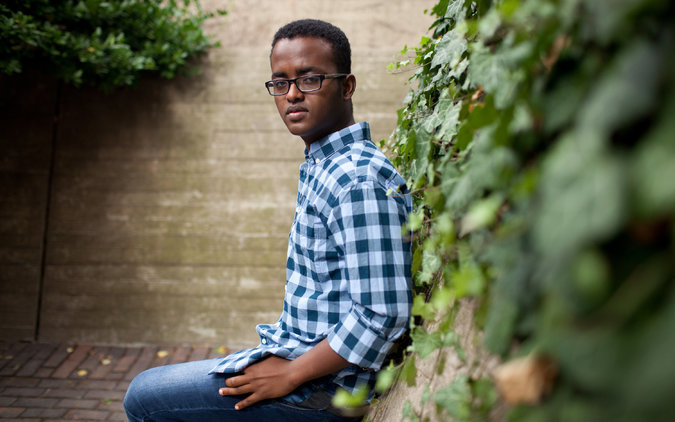
Abdisamad Adan, a Somali who has siblings who never attended school, defied the odds to end up at Harvard. Credit Kayana Szymczak for The New York Times
Mass. — OF the millions of young men and women settling into college dorms this month, one of the most unlikely is Abdisamad Adan, a 21-year-old beginning his freshman year at Harvard. Some of his 18 siblings are illiterate and never went even to first grade, and he was raised without electricity or indoor plumbing by an illiterate grandmother in a country that doesn’t officially exist.
Abdisamad Adan, a Somali who has siblings who never attended school, defied the odds to end up at Harvard. Credit Kayana Szymczak for The New York Times Abdisamad Adan, a Somali who has siblings who never attended school, defied the odds to end up at Harvard.
From Somaliland to Harvard: Abaarso School of Technology and Science
Credit Kayana Szymczak for The New York Times Yet he excelled as he studied by candlelight, and he’s probably the only person in Harvard Yard who knows how to milk a camel.
Abdisamad is the first undergraduate the Harvard admissions office remembers from Somalia or its parts, at least in the last 30 years of institutional memory. He is from Somaliland, a breakaway republic that isn’t recognized by any other country (and so doesn’t have a United States embassy to grant him a visa, but that’s another story). Yet Abdisamad brims with talent and intelligence. He’s a reminder of the fundamental aphorism of our age: Talent is universal, but opportunity is not.
Current students and alumni and a former teacher at the Abaarso School of Science and Technology on graduation day.
Credit The Abaarso School Current students and alumni and a former teacher at the Abaarso School of Science and Technology on graduation day. Credit The Abaarso School Current students and alumni and a former teacher at the Abaarso School of Science and Technology on graduation day. Credit The Abaarso School If not for a fluke, Abdisamad acknowledges, he might have joined friends to become part of the tide of migrants making a precarious journey by sea to Europe. How he came instead to Harvard is a tribute to his hard work and intellect, but also to luck, and to an American hedge fund tycoon who, bored by finance, moved to Somaliland and set up a school for brilliant kids who otherwise wouldn’t have a chance. The financier, Jonathan Starr, had an aunt who married a man from Somaliland, and he was charmed by stories about its deserts and nomads. So in 2008, after running his own hedge fund and burning out, Starr took a trip to Somaliland. His friends thought he was nuts for what happened next: Starr founded an English-language boarding school for the brightest boys and girls from across Somaliland. Called the Abaarso School of Science and Technology, it uses American teachers (paid a pittance) who are willing to work in a country that the State Department recommends avoiding for security reasons.
The school is surrounded by a high wall and has armed guards to foil Shabab rebels, and it has an American sensibility: There is a girls basketball team, which is so unusual in Somaliland that the team members have almost no one to play against. He says his parents divorced before he was born, so his grandmother raised him.
He spent an average of two hours a day fetching water and had no one pushing him at home, but still performed superbly at a local primary school. In national eighth grade exams, he scored second in the entire country. The problem was that while primary school tuition had been $1 a month, a good high school would be at least $40 a month. His grandmother couldn’t afford that, and in any case she didn’t really see why he needed high school. No one in his family had ever graduated from high school. But then Abdisamad was accepted at Abaarso, which is flexible about tuition: If a promising student can’t pay, Starr looks the other way. So Abdisamad began ninth grade at Abaarso, struggling at first because classes were in English, which he didn’t speak. And Abdisamad’s grandmother was displeased that he was spending his time in the classroom rather than helping the family. “She was definitely not happy in the beginning,” Abdisamad remembered. “She asked me, ‘Are you starting to hate us? Are you falling in love with Americans?’ ” He quickly learned English, however, and after three years won a scholarship to study at the Masters School, a college prep school, in Dobbs Ferry, N.Y. The year in Dobbs Ferry was an adventure — it took a while for Abdisamad to figure out vending machines — but he thrived and decided to apply to Harvard. His admission to Harvard was treated as a national cause for celebration. Somaliland’s president invited him for a meeting, and Abdisamad became a local hero. His grandmother hadn’t heard of Harvard but came to be proud of her grandson and appreciate that education had its uses. On arrival at HarvardThey were teaching us things that people don’t talk about back at home.
Sexual harassment. Condoms. Consent,” he recalled, and then raised his eyebrows. “It was all very interesting.” Abdisamad plans to return to Somaliland and work with young people, and then perhaps pursue a career in politics; he hints that he’d like to be president some day. What’s indisputable is that access to a good school transformed Abdisamad’s life. Six of his brothers and sisters are getting no education at all, and some of those migrants you’ve been seeing on television drowning in their desperate struggle to get to Europe are from Somaliland.
One reason Somalia and its former parts have struggled for decades is lack of education, particularly for girls: Illiteracy correlates to huge families, to extremism, to violence and civil warfare. World leaders will be gathering this month at the United Nations to review the status of development goals, including one that by now all children would be able to complete primary school, and to approve new ones.
There has indeed been enormous progress in global education, yet even today some 59 million children around the globe aren’t enrolled even in elementary school (and tens of millions more are enrolled but learn nothing). That’s the context in which Starr’s school — and Abdisamad’s success — should offer inspiration.
And it’s not just Abdisamad. The Abaarso School has an astonishing 26 other alumni at U.S. universities, including M.I.T., George Washington University, Grinnell, Oberlin, Holy Cross and Amherst.
There aren’t many high schools in the world with 45 students in a grade that are so successful in getting alumni into top colleges, let alone one where students speak English as a foreign language and often grew up in poverty.
The Abaarso student at M.I.T., Mubarik Mohamoud, a junior studying electrical engineering, grew up as a nomadic herder raising camels, goats and sheep in an area with no schools; he began his education at a madrasa.
“Being smart is universal,” says Mubarik. “It’s just that resources are not dispersed.” source: NewYork Tmes
Author: Shakir Essa
Shakir Essa served as manager at Somali Journalist Association and PR consultant at Allafrica.com
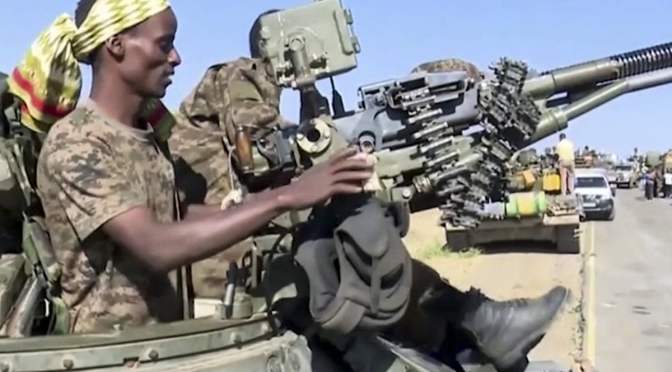
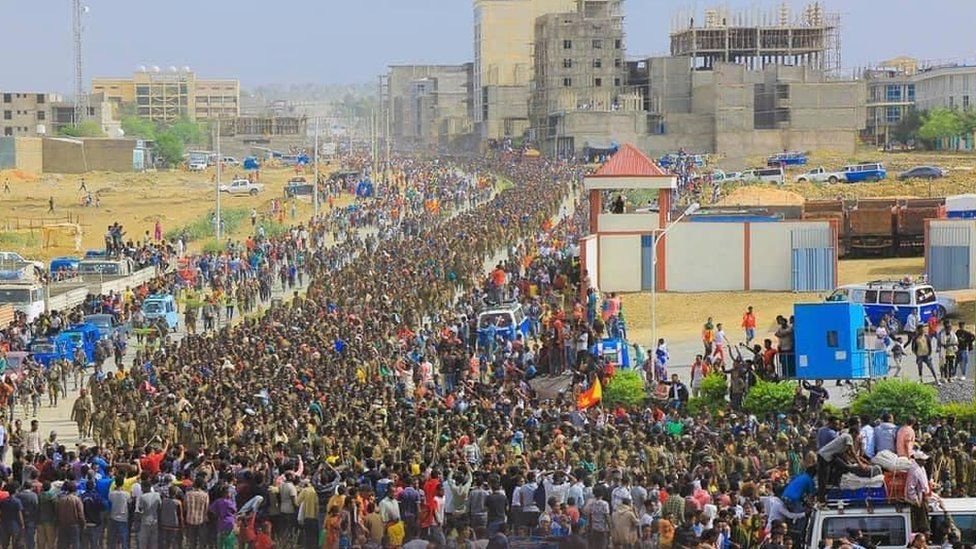
Ethiopia outlined conditions for possible talks with rebels from the country’s war-hit Tigray region, following days of frantic diplomatic efforts by international envoys to head off another surge in fighting, AFP reports.
Foreign Ministry spokesman Dina Mufti told reporters that one of the conditions for possible talks – which he stressed have not been agreed to – would be for the Tigray Peoples Liberation Front (TPLF) to withdraw from the Amhara and Afar regions bordering Tigray.
Earlier, the United Nations said that at least 70 truck drivers delivering aid to the northern Ethiopian Tigray region had been detained on November 3, 2021, after the government of Prime Minister Ahmed Abiy declared a six-month nationwide state of emergency. Earlier, the organisation said 22 of its Ethiopian national staff were detained by the federal government in Addis Ababa. Six of the UN staffers were later released.
As the crisis in Ethiopia widens, East African mobile network operator Safaricom has announced that it has evacuated some of its employees. The Nation reports that Safaricom, whose consortium aims to start operations in Ethiopia in 2022, got the employees out of the country on November 3rd and 5th, 2021.
A number of nations, including the United States, Denmark and Italy, have asked their citizens in Ethiopia to leave while commercial flights were still available, as Tigrayan rebel forces and their allies advance towards the capital Addis Ababa.In November 2020, forces of the TPLF attacked a federal army base in the region, which led the prime minister to order a military offensive against the rebels, which has left thousands dead.On November 8, 2021 the African Union and United Nations Security Council convened an emergency session under the title ‘update on the situation in Northern Ethiopia’, days after the national defence force called on former army officers to register “to thwart the ongoing assault”. At the session, UN political chief Rosemary DiCarlo said the conflict had reached “disastrous proportions”. The African Union envoy for the Horn of Africa and former Nigerian president, Olusegun Obasanjo, warned that “the window of opportunity is closing for a political resolution of the crisis in northern Ethiopia”.







 All Africa