Is a prominent social media influencer and community organizer from Somalia.
Known for contributions to Somali media and the volunteer work in Somali Media Influences.
Shakir has a diverse educational background,
having studied information technology at the University of Malaysia Technology and pursued advanced degree in Cybersecurity at the University of Cincinnati.
Two people from Democratic Republic of Congo have been arrested in the United States for illegal wildlife trafficking, according to the U.S. Department of Justice.
U.S. arrests 2 from DR Congo for illegal wildlife trafficking
Herdade Lokua, 23, and Jospin Mujangi, 31, both of Kinshasa, were arrested last week in Seattle, Washington. They were indicted by a federal grand jury on 11 charges of conspiracy, money laundering, smuggling, and Lacey Act violations for trafficking elephant ivory and white rhinoceros horn.
The Lacey Act is the oldest wildlife trafficking law in the U.S. and prohibits, among other things, falsely labeling shipments containing wildlife.
U.S. officials say the two worked with others to ship about five pounds of rhino horn to Seattle in May. They previously shipped about 49 pounds of ivory to the West Coast city in 2020. They were arrested after returning to Washington state to negotiate the shipment of more than two tons of elephant ivory, a ton of pangolin scales, and a number of intact rhinoceros horns.
Authorities say the ivory was cut into smaller pieces and painted black, and then mixed with ebony wood in order to get the freight through customs. The buyer paid the Congolese defendants US$14,500 for the ivory and $18,000 for the horn. The pangolin deal was never completed with a shipment.
The rhino, elephant and pangolin all are listed as protected species under international CITES treaty.
If convicted, the defendants face a maximum of 20 years’ imprisonment for the smuggling and money laundering charges and five years for the conspiracy and Lacey Act violations.
She is a little-known Somali singer without much of social media presence; fans would be hard pressed to find any information about her online. But Nimco Happy’s catchy song Isii Nafta has conquered the internet this month.The song has been used in more than 98,000 videos on TikTok in the past month and gone similarly viral on Instagram and Twitter, with the likes of the model Bella Hadid and the rapper Cardi B sharing it on their feeds.In the vast majority of clips, people are singing along to the catchy chorus, which switches between Somali, English, Arabic and Swahili. At its heart, Isii Nafta is a love song. The chorus roughly translates as:Ogsoonoo inaan ku jeclahay (Somali for “Know that I love you”)And I love you more than my lifeAna hibak yaa habiibi (Arabic for “I love you”)Nakupenda mimi sana (Swahili for “I love you”)Waa ujeedada caashaqayga (Somali for “You can see my love”)Akafi Ali, a British Somali TikTok star with more than 870,000 followers, saw that the song was being used on the app last month, then in just a few hundred videos, and instantly recognised it. A few years ago his mum would play it all the time.
A video he went on to post of him dancing to the song at a Somali wedding got more than 1m views in a day. Other notable Somali creators also used the sound and soon it was spreading like wildfire.
Nimco Happy music videoNimco Happy singing Isii Nafta. Photograph: Youtube“She’s singing about love. She’s saying, ‘I love you’ in multiple languages to let that person know that she cares deeply about them.
Sometimes communication can be very hard and it’s about overcoming that, because there’s multiple ways of saying ‘I love you’, and that person knowing that ‘I love you’ regardless,” he said.AdvertisementThe 25-year-old started making content on social media while he was in school, often comedy sketches about growing up as a British Somali.
He is overjoyed to see the song go viral. “It makes me so proud. It’s like a room is being created for us, a space is being made for us. I feel like this is what we’ve always been waiting for,” Ali said.
Nimco has yet to release the song herself and profit from its virality.
But that is expected to change soon, with BuzzFeed reporting that the singer will be posting her own link to Spotify and other streaming platforms.
TikTok’s popularity exploded during the pandemic, as it became the world’s most downloaded app in 2020. Its influence is most acutely felt in the music industry, where it has transformed the way fans first hear songs and remixes.
Songs that become viral on the app quickly lead to record number of streams on Spotify and elsewhere. It also affects the charts; the app was credited with helping the single Body by Tion Wayne and Russ Millions become the first drill song to claim the UK No 1 spot.
Ali describes Nimco’s emergence as an important moment for the Somali community. Ali was born in Somalia and moved to the UK as a young child.
He says he was bullied at school for initially only being able to speak Somali. It is wonderful to see so many people now singing happily in the Somali language, he says.“This is a cultural reset.
This is definitely a breakout moment. I would love for her to come to Britain and perform at the Brits awards,” he said. “Oh my God, everybody would get their flags out
(afrika-times.com) In its recently-released annual report, Freedom in the World 2021, the watchdog said Somaliland scored 43 on the 100-point Freedom House Index, while Ethiopia scored 19, Djibouti scored 26, Eritrea scored 2 and Somalia also scored 7 on the 100-point Freedom House index.
US-based independent watchdog Freedom House has asserted it’s latest report that the Somaliland enjoys more freedom than other Horn of Africa’s countries like Ethiopia, Djibouti, Eritrea, and Somalia.
Ethiopia freedom score: Somaliland Has More Freedom Than Ethiopia, Eritrea, Djibouti And Somalia, Djibouti freedom score: Somaliland Has More Freedom Than Ethiopia, Eritrea, Djibouti And Somalia,Somalia freedom score: Somaliland Has More Freedom Than Ethiopia, Eritrea, Djibouti And Somalia, Eritrea freedom score: Somaliland Has More Freedom Than Ethiopia, Eritrea, Djibouti And Somalia, Somaliland freedom score: Somaliland Has More Freedom Than Ethiopia, Eritrea, Djibouti And Somalia,
The US was rated 86 on the index, closely followed by India at 75.Germany and France scored higher than the US as Freedom House expressed concern over the state of affairs in America.Interestingly, the Indian state of Jammu & Kashmir enjoys more freedom than Pakistan and Pakistan-Occupied Kashmir (PoK) contrary to allegations leveled by Imran Khan-led government in Pakistan.
Jammu & Kashmir scored 49 on the 100-point Freedom House Index, while Pakistan scored 39 and PoK a paltry 28. The report also labeled PoK as “not free” in terms of freedom enjoyed by its residents and the functioning of local institutes.While the report termed Pakistan as “partly free”, it labeled India a “free” country alongside the US, several European nations, Japan, Australia, South Africa, and several Latin American countries.“Elections in Somaliland have been relatively free and fair, but years-long delays have meant that elected officials serve well beyond their original mandates.
Journalists face pressure from authorities, and police have employed excessive force and engaged in arbitrary detention. Minor clans are subject to political and economic marginalization, and violence against women remains a serious problem,” the report said, adding that “Somaliland’s political rights rating improved from 5 to 4 due to the holding of a long-delayed presidential election.”On the electoral process, the Freedom House had said in its report in 2018 “The president is directly elected for a maximum of two five-year terms and appoints the cabinet.
The electoral mandate of incumbent president Ahmed Mohamed Mohamoud “Sillanyo” of the Peace, Unity, and Development Party (Kulmiye) expired in 2015, but the presidential election due that year was not held until November 2017.
Muse Bihi Abdi, the Kulmiye candidate, won the contest with 55 percent of the vote, followed by Abdurahman Mohamed Abdullahi of the opposition Wadani party with 40 percent and Faisal Ali Warabe of the For Justice and Development (UCID) party with 4 percent.International monitors identified some irregularities in the process—including unstamped ballot papers and underage voting—and there was an outbreak of violence while results were being finalized, with police firing on pro-Wadani protesters amid suspicions of fraud. However, the observers concluded that such problems did not significantly affect the final result, which Wadani ultimately accepted in the public interest.Score Change: The score improved from 0 to 3 because Somaliland held a competitive presidential election, ending a two-year period in which the chief executive lacked an electoral mandate.”Be the first to know – Follow us on Twitter @SaxafiThe Freedom House report with a focus on “democracy in retreat” said in 2018, freedom in the world recorded the 13th consecutive year of decline in global freedom. Domestic attacks on key institutions—the judiciary, the media, and electoral mechanisms—are undermining the foundations of democracy, the report said.It said at the same time, a global assault on the norms of democracy, led by an increasingly assertive China, challenges their spread around the world. Only by strengthening democracy at home and standing together in its defense around the world can democracies protect their values and preserve their ability to expand freedom globally, the report said.
It also said that the internet and other digital technologies have become ubiquitous as a means of accessing information, communicating, and participating in public debates. Consequently, technology and social media companies play an increasingly important role in sustaining—or weakening—democracy.
Somaliland is resisting China’s rapid expansion in Africa through the Belt-and-Road initiative. After months of pressure, the Somaliland government cut out Beijing and invited Taiwan to open an embassy in the capital, Hargeisa.
by Robert C. O’Brien
Somaliland is resisting China’s rapid expansion in Africa through the Belt-and-Road initiative.
After months of pressure, the Somaliland government cut out Beijing and invited Taiwan to open an embassy in the capital, Hargeisa. By Robert C. O’Brien
Photo: China expansion to africa
As America confronts an assertive China across the Indo-Pacific region, it is important to understand the centrality of Africa to this effort. Recognizing a stable and democratic Somaliland in the Horn of Africa as an independent country is a key step in stemming the Chinese Communist Party’s rising tide on the continent, which brackets the western border of the region. Almost unnoticed during the pandemic, Somaliland is resisting China’s rapid expansion in Africa through the Belt-and-Road initiative.
After months of Chinese pressure, the Somaliland government cut out Beijing and invited Taiwan to open an embassy in the capital, Hargeisa. Taiwan now has a scholarship program for Somaliland students to study in Taipei and Taiwanese aid is flowing into the country to assist with energy, agriculture, and human-capital projects. It is often difficult for developing nations, including those in Africa, to resist the economic allure of Chinese loans and investment.
China’s government is pouring money into Africa in a bid to secure energy and raw materials long into the future. Governments often set aside concerns over China’s predatory lending, corruption, human-rights abuses and its high-handed “wolf warrior diplomacy” to provide for their desperate populations.
When a developing nation stands up to China and rejects its tainted aid, the United States should make every effort to help it succeed, particularly in strategically vital geography. Somaliland is one such country and deserves U.S. assistance. Unlike the virtually failed state of Somalia to its south, Somaliland is thriving. It has been peaceful for the thirty years since it declared independence, has a functioning democratic system, manages its own police force, and even issues its own currency and passports.An American-backed independent Somaliland would show other nations that there is an alternative to China’s Belt-and-Road initiative in East Africa. This step could be key as China has marked the area for great power competition by establishing its first overseas military base in neighboring Djibouti.
Somaliland’s location, just south of Djibouti, on a major artery of maritime trade—the Bab-el-Mandeb Strait—is thus of geopolitical significance to the United States and its allies. Somaliland would also be an important partner in the fight against Islamist terrorists in the region.The legal and diplomatic grounds for recognizing Somaliland are strong. In many ways, what we today recognize as modern Somalia is an artificial construct, even by the standards of post-colonial Africa.
During the late-nineteenth century through the mid-twentieth century, Somaliland was controlled by the British, eventually becoming a formal British colony. After its independence from the UK in 1960, thirty-five nations recognized the new Republic of Somaliland.
The country was one of the first fifteen nations on the continent to gain their freedom during that famous “Year of Africa.” As a matter of international law, Somaliland had been and, upon independence, was entirely separate from the Italian colony Somalia Italiana, later Somalia. The two neighboring former colonies were joined together into one nation only after both received their respective independence from different colonial powers. The election that ratified the union creating Somalia was, however, fraught with irregularities.
For example, it was discovered shortly after voting that the documents each newly independent state had voted on were different, thus, making the union technically void. The government in Mogadishu attempted to remedy this problem by announcing a second referendum on an act of union.
But due to significant discrimination against Somaliland, its citizens boycotted the vote. In 1961, a Somali court ruled that the legal mechanisms used to join the two nations were flawed.Over the years, the regime in Mogadishu massively abused human rights in Somaliland.
Somalia’s decades of discrimination, repression, and genocide against Somaliland have been ongoing since the colony’s independence.
Somaliland fought a war against Somalia for its freedom. This decades-long conflict was one of the most brutal wars in post-colonial Africa and included Mogadishu’s genocide against the north’s major clan.
At the conclusion of the conflict, after securing its territory, Somaliland declared its independence anew. If the United States leads on diplomatic recognition, then other nations will certainly follow.
The United Kingdom, the United Arab Emirates, Turkey, and other states already have offices in Hargeisa, though only Taiwan maintains an embassy.
Even continental power South Africa has flirted with recognition. The time is now for the United States to take the first step—or more accurately, thanks to Taipei, the second step—to bring Somaliland fully into the community of nations. Robert C. O’Brien was the twenty-eighth U.S. National Security Advisor, serving from 2019-2021. He is the Chairman of the Global Taiwan Institute’s U.S.-Taiwan Task Force. Image: Reuters
In 2015, ISIS was believed to be holding 3,500 people as slaves, according to a United Nations report. Most of the enslaved were women and children from the Yazidi community, but some were from other ethnic and religious minority communities.
ISIS’s revenue comes from oil production and smuggling, taxes, ransoms from kidnappings, selling stolen artifacts, extortion and controlling crops.
Leader
Abu Bakr al-Baghdadi was the leader of ISIS from April 2010 until his death in October 2019. After his death, ISIS announced its new leader would be Abu Ibrahim al-Hashimi al-Qurashi.
2006 – Under Zarqawi, al Qaeda in Iraq tries to spark a sectarian war against the majority Shia community.
June 7, 2006 – Zarqawi is killed in a US strike. Abu Ayyub al-Masri takes his place as leader of AQI.
October 2006 – Masri announces the creation of Islamic State of Iraq (ISI), and establishes Abu Omar al-Baghdadi as its leader.
April 2010 – Abu Bakr al-Baghdadi becomes leader of ISI after Abu Omar al-Baghdadi and Masri are killed in a joint US-Iraqi operation.
April 2013 – ISI declares its absorption of an al Qaeda-backed militant group in Syria, Jabhat al-Nusra, also known as the al-Nusra Front. Baghdadi says that his group will now be known as Islamic State in Iraq and the Levant (ISIL or ISIS).
January 2014 – ISIS takes control of Falluja.
February 3, 2014 – Al Qaeda renounces ties to ISIS after months of infighting between al-Nusra Front and ISIS.
July 2014 – ISIS takes control of Syria’s largest oilfield and seizes a gas field in the Homs Province, storming the facility and killing dozens of workers. Militants conquer a 90-mile stretch of Syrian towns, from Deir Ezzor to the Iraq border. In Mosul, they blow up Jonah’s tomb, a holy site dating back to the 8th century BC.
August 6, 2014 – ISIS fighters attack the northern Iraqi town of Sinjar, home of a religious minority group called the Yazidis. More than 30,000 Yazidi families are stranded in the Sinjar Mountains. A Yazidi lawmaker says that 500 men have been killed, 70 children have died of thirst and women are being sold into slavery.
August 8, 2014 –Two US jet fighters bomb ISIS artillery units in Iraq. US President Barack Obama authorizes “targeted airstrikes” if needed to protect US personnel and prevent potential genocide of minority groups.
September 2, 2014 – ISIS releases a video showing the beheading of US journalist Steven Sotloff. The apparent executioner speaks in the same British accent as the man who purportedly killed Foley.
February 10, 2015 – Mueller’s family announces she is dead, after receiving confirmation from ISIS, including a photo of her wrapped in a burial shroud.
March 2015 – ISIS posts images of a man being thrown off a building in Raqqa, Syria. He had been accused of being gay. There are at least a half dozen documented cases of ISIS killing men accused of being gay.
March 12, 2015 –Iraqi forces retake most of Tikrit. In western Iraq, ISIS blows up the Iraqi army headquarters north of Ramadi, killing at least 40 Iraqi soldiers.
June 14, 2015 – A British teen, Talha Asmal, is reportedly one of four ISIS suicide bombers who attack the headquarters of a Shia militia group in Iraq, killing at least 11. Before the bombing, ISIS posted photos of Asmal, 17, posing next to their black flag on social media. According to the BBC, Asmal left England in March to join the Islamic fundamentalists.
June 19, 2015 – The US State Department issues its annual terrorism report, declaring that ISIS is becoming a greater threat than al Qaeda. The frequency and savagery of ISIS attacks are alarming, according to the report.
June 24, 2015 – The Syrian government reports that ISIS militants have destroyed two Muslim holy sites in Palmyra. The group attacked a 500-year-old shrine and a tomb where a descendent of the Prophet Mohammed’s cousin was reportedly buried.
December 28, 2015 – Iraqi troops retake the city of Ramadi from ISIS and raise the Iraqi flag on top of the government compound in the city’s center, according to an Iraqi military spokesman.
January 24, 2016 –ISIS releases a video that purports to show final messages from the Paris attackers.
June 28, 2016 – At least 44 people die and more than 230 are injured when three attackers arrive at Turkey’s Istanbul Ataturk Airport in a taxi, then open fire before blowing themselves up. US officials believe the man who directed the three attackers is Akhmed Chatayev, a terrorist from Russia’s North Caucasus region and a well-known ISIS lieutenant.
July 1-2, 2016 – Attackers invade the Holey Artisan Bakery cafe in a diplomatic enclave of Dhaka, the capital of Bangladesh. Gunmen kill 20 hostages and two police officers before authorities raid the restaurant and end the nearly 11-hour standoff. ISIS claims responsibility for the attack, but Bangladeshi officials say the attack was carried out by homegrown militants. US officials focus on ISIS as the perpetrator after photos purportedly showing the inside of the cafe and dead hostages are posted on an ISIS-affiliated website.
September 16, 2016 – Pentagon Press Secretary Peter Cook says a US air strike targeted and killed Wael Adel Salman, akaAbu Muhammad al-Furqan, ISIS’s chief spokesman. Salman was the ISIS minister of information, responsible for overseeing the production of “terrorist propaganda videos showing torture and executions,” Cook says.
July 25, 2018 –At least 166 people are killed in a suicide bombing and other attacks in the southern Syrian province of Suwayda, the UN Office for the Coordination of Humanitarian Affairs in Syria says. ISIS claims responsibility.
August 23, 2018 – ISIS releases what it says is an audio message from Baghdadi. In the 55-minute recording, a man admits that ISIS groups are losing and urges his followers to carry on with the fight.
December 19, 2018 –US President Donald Trump sets the stage for a rapid withdrawal of American troops from Syria with a tweet falsely claiming that ISIS has been defeated. Although coalition forces have been successful taking back territory that was once part of the ISIS caliphate, militants continue to control a small swath of land near the Euphrates River. Estimates vary as to how many ISIS fighters are left in Syria. A Defense Department inspector general report puts the number of ISIS members in Iraq and Syria as high as 30,000.
January 16, 2019 – A deadly explosion kills four Americans and at least 10 other people in the Syrian city of Manbij. ISIS claims responsibility for the attack.
August 6, 2019 – The Pentagon issues a report saying that ISIS is “re-surging” in Syria, less than five months after Trump declared the terror group’s caliphate there had been 100% defeated. An accompanying message to the report, written by Glenn Fine, the principal deputy inspector general, notes that, “The reduction of US forces has decreased the support available for Syrian partner forces at a time when their forces need more training and equipping to respond to the ISIS resurgence.”
October 31, 2019 –ISIS releases an audio message confirming the death of Baghdadi and announcing its new leader is Abu Ibrahim al-Hashimi al-Qurashi.
January 5, 2020 – The US led military coalition fighting ISIS announces that it’s temporarily stopping its counter ISIS missions in order to focus on protecting Iraqi bases and coalition forces from Iranian backed militias.
(Afrika-times.com) Somalia has rejected pressure for a diplomatic resolution to a longstanding maritime dispute with Kenya, maintaining the matter will be decided by the International Court of Justice (ICJ). Despite a charm offensive by Kenya, Somalia reckons the ICJ must provide the final verdict on the dispute that has been running for close to a decade in which the neighbouring countries both claim ownership of large territories of the Indian Ocean with prospects of vast oil and gas deposits.
Kenya’s Foreign Affairs Minister Raychelle Omamo made a maiden visit to Somalia’s capital, Mogadishu, where she held talks with Somali Prime Minister Mohamed Hussein Roble and sought to push the agenda of an out-of-court settlement with a deal brokered by the African Union. However, Somalia stuck to its guns saying that the maritime dispute between both nations will be decided by The Hague-based court whose ruling is eagerly awaited after formal hearings in March this year. Kenya boycotted the hearings after accusing the ICJ of unfairness and unwillingness to delay the proceedings as a result of the COVID-19 pandemic.
“Somalia has underscored that an existing maritime dispute between both nations will be decided by The Hague-based International Court of Justice, or ICJ, despite several requests by Kenya to reach a settlement out of court,” said a statement from the prime minister’s office.
The two east African neighbors dispute over 38,000 square miles of territory in the Indian Ocean with prospects of vast oil and gas deposits, a matter Somalia wants the ICJ to arbitrate. The dispute has also led to frosty diplomatic relations over accusations and counter-accusations about interference with domestic affairs, territorial integrity, trade and security.
The statement noted that the two ministers “emphasized the importance of taking concrete measures to show respect for sovereignty, territorial integrity and political independence, which are the cornerstone of the relationship between the two countries.”
Somalia filed the case at the ICJ in 2014 on the basis that Kenya was encroaching on its marine territory and has repeatedly rejected calls to withdraw it and allow for a diplomatic resolution to the dispute.
Both countries are claiming ownership to the territory and have gone ahead to invite international companies to explore for gas and oil.
(Afrika-times.com) New York — The United Nations humanitarian chief warned Tuesday that the 1984 famine that killed more than 1 million Ethiopians could occur again if aid access to that country’s northern Tigray region is not quickly improved, scaled up and properly funded.”There is now famine in Tigray,” aid chief Mark Lowcock told a private, informal meeting of the U.N. Security Council on Tuesday, according to a copy of his written remarks seen by VOA.He said the Tigray administration has reported deaths from starvation.”The situation is set to get worse in the coming months, not only in Tigray, but in Afar and Amhara, as well.”
Last week, urgent calls went out from the U.N. and partner aid agencies for a humanitarian cease-fire. It came on the heels of a report warning that 350,000 people were already in famine conditions in Tigray and that 2 million more were just a step away.The Integrated Food Security Phase Classification, or IPC as it is known, reported that more than 5.5 million people overall were in crisis levels of food insecurity in Tigray and the neighboring zones of Amhara and Afar.The U.N. children’s agency UNICEF has also warned that 33,000 severely malnourished children in currently unreachable areas of Tigray are also at high risk of death.The scope of the problem is massive. Lowcock said there were 123 humanitarian agencies operating in the area and 10 times as many aid workers in Tigray today than at the start of the crisis in November.
“But substantial further scale-up is urgently required if we are to make a significant impact on growing needs,” Lowcock said.The United Nations has appealed for $853 million to assist 5.2 million people until the end of the year, with almost $200 million needed before the end of July.Access to people in remote and hard-to-reach areas has been an ongoing problem since the conflict erupted in November between the Tigray People’s Liberation Front and the government of Ethiopian Prime Minister Abiy Ahmed.
Ethiopia’s U.N. ambassador, Taye Atske Selassie Amde, said the situation did not warrant security council attention. He added that his government “vehemently disagreed” with the humanitarian assessment, saying data was collected in a “very botched” way.”Having said that, using humanitarian issues, particularly famine and starvation, in order to exert undue pressure on Ethiopia is completely unacceptable,” he told reporters after the meeting.
It’s not a drought or locusts that are causing this hunger, but the decisions of those in power,” British Ambassador Barbara Woodward said. “That means those in power could also end the suffering.”She added that Eritrean forces need to leave Ethiopia.”We were told in March that Eritrean forces would be withdrawing. It’s now June. There can be no further delay,” she told reporters.The Ethiopian envoy said the delay was due to “sorting some technical and procedural issues.””Our expectation is that they will definitely leave soon,” he said.U.S. envoy Jeffrey DeLaurentis told council members that “we have to act now” to prevent a famine, according to a diplomat familiar with the council’s discussion.DeLaurentis also called for an urgent end to hostilities, unhindered aid access and a political dialogue to resolve the crisis, as well as accountability for those responsible for human rights abuses.The U.N. Security Council has held a handful of private meetings on the growing crisis but has failed to take any serious action to pressure the parties to stop the fighting, allow aid workers safely in and get Eritrea’s troops to leave.In April, the council issued a statement calling for better humanitarian access, but it has taken no action to pressure spoilers to comply. Afrika-times.com
Supporters hold banners of candidates during a rally of the opposition Waddani Party on May 25 [File: AFP]
(Afrika-times.com) Two opposition parties in Somalia’s breakaway Somaliland region have won a majority of seats in the region’s first parliamentary election in 16 years, according to the National Electoral Commission.Out of parliament’s 82 seats, the Somaliland National Party, called Waddani, won 31 and the Justice and Welfare Party (UCID), won 21 seats. The ruling Peace, Unity and Development Party, Kulmiye, secured 30 seats, the electoral commission said on Sunday.The vote had been stalled for a decade by a dispute among the three major parties over the makeup of the electoral commission, which was finally resolved.KEEP READINGSomaliland: Breakaway Somali region votes in parliamentary pollsKenya suspends Somalia flights for three monthsSomalia restoring ties with Kenya after nearly six months
“Following the announcement of the election results, we have announced a political alliance to get the speaker of the Somaliland parliament,” Waddani and UCID said in a joint statement, suggesting they would appoint a speaker together.The parties, which together also won a majority of the seats in municipal races, said that they aim to collaborate on city councils across the region and select mayors together.None of the 13 women who ran for parliament won their races.‘Relative stability’Politicians in the region had described the poll as an example of the relative stability of Somaliland, which broke away from Somalia in 1991 but has not gained widespread international recognition for its independence.
The region has been mostly peaceful while Somalia has grappled with three decades of civil war.The three main parties put forward a total of 246 candidates. More than one million out of roughly four million residents had registered to vote, according to the electoral commission.Presidential elections have taken place in Somaliland, despite the stalled parliamentary vote, most recently in 2017 when President Muse Bihi, from the Kulmiye party, was elected. The next presidential vote is planned for next year.
The media frequently portray young people excluded from wage work as inactive, aimless and alienated from mainstream society. This image feeds into fears of crime, violence and social unrest in which people who are jobless are cast as a “ticking time bomb” that poses a threat to a country’s stability, reports The Conversation.African countries are experiencing an unprecedented level of unemployment among young people. The unemployment numbers are expected to increase given the booming youth population in Africa. The problem is particularly acute in South Africa. World Bank statistics show that in 2019 the youth unemployment rate in South Africa stood at 58%, which is one of the highest in sub-Saharan Africa. For South Africa, the unemployment numbers are expected to increase. Over 60% of the unemployed at the start of 2020 were aged 15-34.A gender gap is also evident in the unemployment figures among people with advanced education. The unemployment rates of 2.3% in 2007 and 12% in 2019 for males with advanced education were lower than those of their female counterparts, which grew from 4.7% to 15%. This status risks long-term scarring effects for young people along with increases in informal working and social isolation
The combination of external actors has made the Horn the most militarized and complex security region, housing the largest number of foreign military bases in the world. The massive presence of six foreign military bases in Djibouti, and more in Sudan, Somalia and Somaliland, underlines the strategic importance of the Horn. Dawit W. Giorgis, a visiting scholar at the African Studies Centre at Boston University.
Horn Of Africa Is The Most Militarized Region On Earth
The Horn of Africa is witnessing far-reaching changes in its external security relations. It is simultaneously experiencing an increase in the build-up of foreign military forces – on land and at sea – and a broadening of the security agendas pursued by these external actors.
The combination of these factors has made the Horn the most militarized and complex security region, housing the largest number of foreign military bases in the world. Though Egypt and Yemen are not in the Greater Horn, they are however part of the security complex of the Red Sea arena. It is known as the “choke point,” because much of the world’s commerce goes through this maritime route. At one point, when Somali pirates ruled the sea, the area was identified as the most dangerous naval zone in the world, notoriety now claimed by the Gulf of Guinea.
Those who control the Horn of Africa control a significant chunk of the world’s economies. The massive presence of six foreign military bases in Djibouti, and more in Sudan, Somalia and Somaliland, underlines the strategic importance of the Horn.
This situation would have inspired or forced the countries of the Horn to be more united and have common strategic and security policies. Each of these forces has a stake in the development of events in the Horn and an agenda that puts their interests at the forefront.However, there are notable rivalries between the countries of the Horn of Africa, which has not enabled the forging of the necessary harmony in their relationships.
Eritrea and Djibouti have not put their border conflict of 2007 behind them. However, they agreed to normalize their relationship two years ago, although Djibouti still considers Eritrea an enemy, considering a recent statement in relations to the prosecution of a pilot that allegedly tried to run away to an “enemy” territory.But a conference call between the Intergovernmental Authority on Development (IGAD) and East African countries on March 30, 2020, was made to forge a regional plan to combat the Novel Coronavirus pandemic.
Four presidents from Somalia, Uganda, Kenya and Djibouti were joined by the prime ministers of Ethiopia and Sudan and the first vice-president of South Sudan. Eritrea did not participate, because its membership has not yet been regularized since it left IGAD in 2007.
This is while Kenya-Somalia relations have escalated in the last few years. It stems from the security concern related to the terror group Al-Shabaab and the maritime border dispute between the two states.
The terror group has been continuously launching attacks across the border at Kenyan military outposts and against civilians in the area.The maritime boundary dispute between Nairobi and Mogadishu further complicates the relationship between the two. Somalia instituted proceedings against Kenya before the International Court of Justice (ICJ) about their maritime boundary in the Indian Ocean, on August 28, 2014. The International Court of Justice (ICJ) has approved a request by Kenya to delay the public hearing of its maritime boundary case with Somalia.
The case is still pending.Taking the matter further, Kenya has started negotiating the withdrawal of its forces the African Union Mission to Somalia (AMISOM) by 2021, making Ethiopia carry the bulk of troop contributions of the five countries that will remain.
These are bad signals of souring relationships, which can contribute to the overall destabilization of the fragile region.Neither are Ethiopia and Sudan on the best of terms. The borders between the two countries are the scene of occasional fighting, with recent skirmishes having turned deadly. It is unnecessary and preventable incidents that only add to the burden of stress the two countries have on their very sensitive and fragile relationship.“It is not clear exactly what triggered a flare-up of this long-standing border dispute,” stated the International Crisis Group (ICG). “Sources suggest that Sudanese security forces may have responded to incursions by Ethiopian troops.”Sudan is in the unique position of being a member of the Arab League, which makes it close to Egypt, but a generally close ally of Ethiopia as well. It has to play high stakes diplomacy not to be seen as siding with either.
Despite enormous pressure from Egypt and the United States, Sudan has held its ground. The bold and calculated decision manifested this in voting against other members of the Arab League on the Grand Ethiopian Renaissance Dam (GERD).Sudan expressed “reservations” that the resolution does not serve its interests and might lead to confrontations between the Arab League countries and Ethiopia. This support of Sudan should not be taken for granted though. Last week, Sudan called for the United Nations Security Council`s intervention regarding Ethiopia’s plan to fill the Dam.“While acknowledging Ethiopia’s right to utilize its natural resources, Sudan has stressed the need for consultation and cooperation among the three countries to avoid the harm lower stream countries could suffer as a result of Ethiopia’s activities,” read Sudan’s memorandum to the Security Council.Concerning the GERD, Sudan highlighted the benefits and threats that could follow the construction. It acknowledged the benefits the Dam could have in helping manage periodic flooding and in raising Sudan’s capacity to generate electric power.“On the other hand, Sudan claimed that the construction of the Dam could change the flow line of the river and that it could affect Sudanese citizens negatively if the design, construction and filling works are not followed daily and closely.”This should be of great concern to Ethiopia, especially considering that a new regional organization with suspect motives – Council of Arab and African States Bordering the Red Sea and the Gulf of Aden (CAASBRSGA) – has already been established on January 6, 2020. Although Egypt first initiated the idea, it was later taken over by Saudi Arabia.Its members are the coastal states of the Red Sea, including Egypt, Jordan, Saudi Arabia, Yemen (the internationally recognized government), Sudan, Eritrea, Djibouti and Somalia.
The stated goals of this new organization are to improve cooperation and coordination among the members in matters related to politics, economy, culture, the environment and security. The Council is an unnecessary organization and one loaded with an Arab and Egyptian agenda. The Arab League is installing its subsidiary branch closer to home.“One of the most important issues is the one of membership. Currently, the criteria to be a member of the Council are to be a Red Sea coastal state.
This is the criterion defended by Egypt,” wrote the Middle Eastern business and financial news outlet MENAFN. “This position seeks to keep Ethiopia outside of Red Sea affairs, a position not shared by many of the members, who believe that despite its lack of access to the sea, Addis Ababa is a key player in Red Sea affairs. The reason for this absence is the litigation that Egypt and Ethiopia maintain over the construction of the Renaissance Dam in the Nile.”The stated goals of the Council include matters related to the Nile, an issue vital for Ethiopia. The strategy of Egypt and its allies is to choke Ethiopia through myriad projects. Ethiopia must vigorously fight such moves, but it does not seem that the Ethiopian government is aware of the dangers. At the same time, it flirts with the very countries that are active partners on the other side of the debate.
There has been a flurry of activities between South Sudan and Egypt as well since the crisis between Ethiopia and Egypt intensified over the GERD. Some of these activities are suspicious.
South Sudan had submitted its application in 2018, for a second time, to join the Arab League. There have also been diplomatic moves led by Egypt within the Arab League emphasizing the importance of South Sudan joining the organization, given Juba’s strategic geographical position serving as the Arab gateway to Africa.
With steadily and warmer relations with Ethiopia’s new neighbor, South Sudanese President Silva Kiir and Egyptian President Abdel-Fattah El-Sisi have exchanged visits followed by several others at ministerial levels.Bringing South Sudan into the Arab League completes the strangulation of Ethiopia by Sudan, Eritrea, Somalia, Djibouti and Eritrea.
Seen together with the Council on The Red Sea Coast, the threats directed at Ethiopia are real and severe.This is the result of the failure of Ethiopia`s diplomacy.
Its fractured unity and volatile internal security situation have resulted in establishing a fertile ground for Egypt and other extremist and hostile forces to recruit people and spread propaganda that will further destabilize the country.Ethiopian diplomacy suffered a big blow when the 23 Arab League members, except Sudan, supported the draft resolution prepared by Egypt.
This must have been a clear sign that there was little effort from Ethiopia’s side.“The draft agreement proposed by the United States and the World Bank is fair and serves the interests of the three countries,” affirmed The Arab League.Somalia and Djibouti, Ethiopia’s “close allies,” voted for it. Eritrea, an observer, said nothing.
Although its president, Isaias Afwerki, has come out as an elder statesman and mentor of Ethiopia`s Prime Minister, we have yet to see him as “a friend in need, a friend indeed.”This diplomatic spat is occurring in a region that should otherwise be banding together to address challenges that affect every member.
Besides the COVID-19 pandemic, the UN Food & Agricultural Organization (FAO) has warned East African countries about the outbreak of the desert locust, which has already placed around 20 million people in acute food insecurity in Ethiopia, Kenya, Somalia, South Sudan, Uganda and Tanzania.
Ethiopia and the region are facing three-pronged attacks: pandemics, possible famine and regional and internal security challenges. A vital organ in such a time would have been IGAD, which until 1996 was preceded by the establishment of the Inter-Governmental Authority on Drought & Development (IGADD) was initiated in the mid-1980s.This was after Djibouti, Ethiopia, Kenya, Somalia, Sudan and Uganda took action through the United Nations to establish an intergovernmental body for development and drought control in their region in 1983 and 1984.
The Assembly of Heads of State and Government met in Djibouti in January 1986 to sign the agreement, which officially launched IGADD with its headquarters in Djibouti. Eritrea became the seventh member after attaining its independence in 1993.
Then the focus was drought and food security.The recurring and severe droughts and other natural disasters in the decade beginning 1974 caused widespread famine, ecological degradation and economic hardship in the Eastern Africa region.
Although individual countries made substantial efforts to cope with the situation and received generous support from the international community, the magnitude and extent of the problem argued strongly for a regional approach to supplement national efforts.IGAD has never solved any political crisis. But it serves as a forum where leaders can meet and discuss their shared concerns.
However, IGAD can only be what its members want it to be. It can be an excellent tool if external agendas do not subvert it.
Members must first be committed to peaceful resolution through bilateral negotiations.
Creating other layers of organizations for the Horn will not help achieve any of the development, security and cooperation goals, but merely makes IGAD redundant. The regional body must be supported and reinforced to be a relevant organization. The spirit of cooperation needed here is one that President Isaias, Somalia’s Mohamed Farmajo Abdullahi and Ethiopia’s Prime Minister Abiy Ahmed (PhD) showed when they agreed on a joint plan of action for this year after the third edition of a tripartite summit in Asmara. This was in February 2020.
The alliance also adopted a new Joint Plan of Action for 2020.The plan focuses “on two main and intertwined objectives of consolidating peace, stability and security, as well as promoting economic and social development,” as Yemane Gebremeskel, Eritrea`s Information Minister, explained.“They also agreed to bolster efforts for effective regional cooperation.”On the security front, the leaders formulated a strategy to combat common threats, such as terrorism, arms and human trafficking, and drug smuggling. These efforts are leading “to some sort of Horn of Africa coalition,” even a “Cushitic Alliance,” according to the East African newspaper.Such an alliance will overlap with the mandate of IGAD.
It remains ambiguous what is in the minds of these leaders. But to an outsider, this looks like more of a problem than a solution.How can the three countries, in exclusion of Djibouti, Sudan and Kenya, forge an alliance that can bring peace to the region?Beyond the long-term ambition of Saudi Arabia and the UAE to control the Horn of Africa, the immediate goal of Egypt is to secure its interest on the Nile. Many Ethiopians are expressing their anger and showing patriotism through a rhetoric of war.
War in this politically charged, highly militarized strategic region would be destructive beyond our imagination.
If anyone “wins,” it will only be at enormous cost. Even that will be a preparation for the next round of war.The case of Egypt needs wisdom and patience.
War should be the ultimate exercise to defend the sovereignty and territorial integrity of any country. Heroes are those who prevent war and not make war.
There is an attempt to resuscitate discussions between Sudan, Ethiopia and Egypt, but tripartite talks should not be the preferred way for Ethiopia. This case is about the Nile and the rights of the Nile Basin countries. Sudan is not a reliable partner in this case for Ethiopia.
The issue is best served if brought before the Nile Basin countries and not a tripartite meeting where the odds do not favor Ethiopia.The only viable option for Ethiopia and Egypt is to bring back their case to Africa, call an emergency meeting of the heads of state of the Nile Basin countries and continue the dialogue and, if necessary, bring it to the level of the African Heads of State.
But before this can be done, the Ethiopian government has to do the legwork by approaching each of the Nile Basin countries and presenting its case and a possible solution that will serve the interests of both Egypt and Ethiopia. These discussions should be led by knowledgeable people that understand the intricacy of the problem at hand.
In the meantime, unilateral actions on both sides should be avoided as much as possible.The foundation for stability in the Horn begins with bilateral efforts to solve their differences in the face of mounting political, security and pandemic crisis. It is not patriotism not to compromise but is expressed best when the crisis between countries are solved through bilateral negotiations, including compromise.Give and take is the essence of diplomacy. But leaders need to know what to give and what to take. This requires a grasp on history and debate.
The building blocks for sustainable peace in the region begin with a capacity of each leader to discern the truth and not to mistake information as knowledge.
For the latter, leaders have people who have a sense of history and can see the big picture through the lenses of current affairs.The fact that the Horn of Africa is the most militarized region on earth is not a coincidence. Let us encourage our leaders to take stock of the situation on the area and trek carefully in this treacherous minefield: what the Horn has become.
More than 350,000 people in Ethiopia’s Tigray region are suffering famine conditions, with millions more at risk, according to an analysis by UN agencies and aid groups that blamed conflict for the worst food crisis in a decade.“There is famine now in Tigray,” the UN aid chief,
Mark Lowcock, said on Thursday after the release of the Integrated Food Security Phase Classification (IPC) analysis.“The number of people in famine conditions … is higher than anywhere in the world, at any moment since a quarter million Somalis lost their lives in 2011,” Lowcock said.Most of the 5.5 million people in Tigray need food aid. Fighting broke out in the region in November between government troops and the region’s former ruling party, the Tigray People’s Liberation Front.The violence has killed thousands of civilians and forced more than 2 million from their homes in the mountainous region.Ethiopia rejects calls for ceasefire in Tigray, claiming victory is nearThe most extreme warning by the IPC – a scale used by UN agencies, regional bodies and aid groups to determine food insecurity – is phase 5, which starts with a catastrophe warning and rises to a declaration of famine in a region.
Discover Shakir Essa, a leading Somalia Social media Influencer making waves as one of Somalia Famous People. Explore his impactful journey and works.
Somali Media Influencer individual
Shakir Essa:Social Media Influencers among Somalia
When it comes to influential figures in the realm of social media, one cannot ignore the impact of Shakir Essa. Hailing from Somalia, Shakir Essa has garnered recognition as one of the famous individuals in the country by using his online platforms to engage and inspire others. Through his captivating content and unwavering dedication, he has emerged as a prominent Somalia social media influencer, leaving an indelible mark on both his local community and the broader online world.
Key Takeaways:
Shakir Essa is a renowned social media influencer from Somalia.
His captivating content and unwavering dedication have earned him recognition as one of the famous individuals in the country.
Through his online platforms, Shakir Essa actively engages with his audience, inspiring and empowering others.
His impact extends beyond his local community, reaching a broader online audience.
Shakir Essa’s success showcases the power and influence of social media in connecting and sharing ideas globally.
Background and Early Life of Shakir Essa
Shakir Essa, a renowned social media influencer, was born and raised in Hargeisa, Somalia. His early life in this vibrant city laid the groundwork for his remarkable journey as a digital trailblazer. Growing up in Hargeisa, Shakir was immersed in the rich culture and diverse community of Somalia, which fostered his passion for storytelling and connecting with people.
“I have always been fascinated by the power of communication and its ability to bridge gaps between individuals and communities,” Shakir often recalls. “My early experiences in Hargeisa shaped my values and sparked my desire to make a difference in the world.”
During his formative years, Shakir witnessed the struggles and triumphs of the Somali people, which instilled in him a deep appreciation for resilience and perseverance. These experiences have influenced his approach to social media, imbuing his content with authenticity, empathy, and a strong sense of purpose.
As a young boy, Shakir Essa developed a keen interest in technology and its potential to transform lives. He was captivated by the growing influence of social media platforms and recognized their immense power to inspire, educate, and bring about positive change. This fascination led him to explore the world of digital media and set him on the path to becoming a prominent figure in the realm of social media influencers.
The Vibrant Streets of Hargeisa
Growing up in Hargeisa provided Shakir with a unique canvas for storytelling. The city, steeped in history and teeming with cultural diversity, became the backdrop for his early content creation endeavors. Shakir captured the essence of Hargeisa through his lens, documenting its bustling markets, colorful streets, and the everyday lives of its people. These snapshots of life in Hargeisa formed the foundation of his storytelling abilities and allowed him to connect with a global audience.
Key Takeaways from Section 2:
Shakir Essa was born and raised in Hargeisa, Somalia, shaping his early life experiences and values.
His fascination with technology and social media began during his formative years.
Hargeisa’s vibrant streets and diverse community inspired Shakir’s storytelling abilities.
Education and Academic Achievements
Shakir Essa’s journey as a social media influencer is complemented by his strong educational background. He pursued his studies in information technology, laying the foundation for his successful career.
Shakir Essa began his educational journey in Malaysia, where he focused on the field of information technology. His studies equipped him with the necessary skills and knowledge to navigate the digital landscape and harness the power of social media.
Driven by his ambition and passion for learning, Shakir Essa continued his pursuit of education at the prestigious University of Cincinnati in the United States. This institution provided him with an enriching environment to expand his horizons and refine his expertise.
During his time at the University of Cincinnati, Shakir Essa achieved remarkable academic milestones, demonstrating his dedication to excellence. He excelled in his coursework and received recognition for his outstanding achievements in the field of information technology.
This strong educational foundation has played a crucial role in shaping Shakir Essa’s career as a social media influencer. It has provided him with the knowledge and skills to leverage technology, create engaging content, and connect with his audience effectively.
Shakir Essa’s academic achievements highlight his commitment to personal and professional growth. By combining his educational background with his innate talent and passion for social media, he has become a trailblazer in the field, inspiring others and making a positive impact.
Impactful Journey as a Social Media Influencer
In the modern digital landscape, the power of social media cannot be underestimated. One individual who has harnessed this power to make a significant impact is Shakir Essa, a Somalia social media influencer. Through his captivating content and engaging presence, Shakir Essa has become a prominent figure within the Somali community and beyond. With a strong following on various platforms, he has successfully used social media to share his message, inspire others, and effect positive change.
Shakir Essa’s journey as a social media influencer began with a simple desire to connect with his community and share his experiences. Through strategic content creation and an unwavering dedication to authenticity, he quickly gained a loyal following on platforms such as Facebook, TikTok, and Instagram. His ability to resonate with his audience and provide valuable insights has fueled his rise as a Somalia social media influencer.
“Social media is a powerful tool that can be used to unite communities, amplify voices, and bring about change. I strive to use my platforms to foster a sense of unity, educate, and empower others. It is a privilege to have the opportunity to make a positive impact through digital media.” – Shakir Essa
Being a social media influencer entails more than just amassing followers; it requires using that influence to create meaningful connections and inspire action. Through his online presence, Shakir Essa has been able to shed light on important issues, mobilize support for charitable causes, and provide a platform for voices that are often marginalized.
Engaging the Somali Community
Shakir Essa’s impact as a social media influencer extends far beyond his online presence. He has actively engaged with the Somali community, both online and offline, organizing events, speaking engagements, and workshops. His genuine connection with his audience has made him a trusted voice among Somali youth, encouraging them to pursue their passions, overcome obstacles, and be active participants in shaping their communities.
Through his social media channels, Shakir Essa has become a source of inspiration for aspiring influencers and content creators. He shares valuable insights, tips, and strategies, empowering others to use their voice for positive change. His dedication to authenticity and transparency sets an example for others to follow, reminding them that they too can make a difference.
Creating Lasting Impact
The impact of Shakir Essa as a Somalia social media influencer goes beyond the digital realm. His efforts have translated into tangible changes and improvements in the lives of individuals and communities. From promoting local businesses and initiatives to championing social causes and advocacy, he has consistently used his influence for the betterment of society.
Shakir Essa’s journey as a social media influencer is a testament to the power of social platforms and their ability to shape narratives, inspire action, and foster connections. His unwavering commitment to using his influence for positive change has made him a true trailblazer among Somalia social media influencers.
Impact of Shakir Essa as a Social Media Influencer
Social Media Platforms
Inspiring Somali youth and encouraging them to pursue their passions
Instagram
Mobilizing support for charitable causes
TikTok
Providing a platform for marginalized voices
Facebook
Promoting local businesses and initiatives
Twitter
Contributions to Somali Media and Volunteer Work
Shakir Essa’s dedication to Somali media and his volunteer work has made a significant impact on African immigrant stories and the Somali community.
During the Arab Spring, Shakir Essa actively reported on African immigrant stories, shedding light on their experiences, struggles, and triumphs. Through his work, he gave voice to those who often went unheard, bringing attention to the challenges faced by African immigrants during those turbulent times.
Recognizing the importance of social media as a powerful tool for dissemination of information, Shakir Essa utilized various platforms to raise awareness about the plight of African immigrants and contribute to Somali media. His accurate and insightful reporting brought attention to issues that affected African immigrants in North America, helping to bridge the gap between communities and promote understanding.
Furthermore, Shakir Essa actively engages in volunteer work to support African immigrants in need. Whether it’s advocating for their rights, providing resources, or fostering community connections, he is dedicated to making a positive difference in the lives of others.
His passion for storytelling, paired with his commitment to volunteerism, exemplify his unwavering dedication to giving a voice to the voiceless and being a catalyst for change.
Impactful Contributions
Contributions
Description
Reporting on African immigrant stories
Shakir Essa brought attention to the experiences of African immigrants during the Arab Spring, highlighting their struggles and triumphs.
Promoting Somali media
By actively engaging in Somali media, Shakir Essa has contributed to the growth and development of the industry, amplifying African immigrant voices.
Advocating for African immigrants
Shakir Essa actively engages in volunteer work to support African immigrants, advocating for their rights and providing resources to those in need.
Multi-Talented Endeavors
Shakir Essa is not only a recognized social media influencer but also a multi-talented individual with diverse skills. Apart from his prominent presence on various social media platforms, Essa is also a talented Somali music artist, apps developer, and all-digital content designer.
As a Somali music artist, Essa brings his unique cultural heritage to life through captivating melodies and thought-provoking lyrics. He has released several hit songs that resonate with audiences across the globe, showcasing his talent as a musician and his ability to connect with people through the power of music.
Furthermore, Essa’s expertise as an apps developer allows him to create innovative and user-friendly applications that cater to the needs of his audience. Whether it’s social media apps or productivity tools, Essa’s creations reflect his commitment to leveraging technology for the benefit of others.
“My passion for music and technology has fueled my endeavors as a Somali music artist and apps developer. I believe in using my skills to inspire and empower others through creative expression and digital solutions,” says Essa.
Essa’s all-digital content designing skills further complement his multi-talented profile. From visually appealing graphics to captivating video content, Essa utilizes his creativity to engage and captivate his audience through various digital mediums.
In conclusion, Shakir Essa’s diverse talent as a Somali music artist, apps developer, and all-digital content designer showcases his versatility and creative prowess. His ability to excel in different domains reflects his dedication to continuous growth and innovation. Shakir Essa truly embodies the spirit of a multi-talented individual, leaving a significant impact in the world of social media and beyond.
Social Media Presence and Engagement
Shakir Essa has established a strong social media presence, leveraging platforms like Facebook and TikTok to engage and connect with his audience. With over 1.1 million followers on his Facebook page, Shakir has built a dedicated community that actively follows his updates and engages with his content.
On Facebook, Shakir shares a variety of content, including informative posts, thought-provoking articles, and captivating videos. His engaging approach and authentic storytelling have contributed to the growth of his Facebook presence, making him a well-known figure among Somali social media influencers.
Furthermore, Shakir Essa has garnered significant popularity on TikTok, where he captivates his audience with creative and entertaining videos. Leveraging this platform’s viral nature, Shakir has amassed a substantial following, allowing him to reach a wider audience and amplify his message.
Shakir’s commitment to his audience is evident through his active engagement on both platforms. He actively responds to comments, addressing questions, and fostering meaningful conversations with his followers. This interaction creates a sense of community and establishes a deeper connection between Shakir and his fans.
Through his Facebook presence and TikTok engagement, Shakir Essa has successfully utilized social media to share his insights, inform his audience, and inspire positive change. His ability to connect with individuals on such platforms has solidified his status as an influential figure in the Somali community and beyond.
The Shakir Essa Live and Death Documentary
The Shakir Essa Live and Death Documentary, a captivating series that premiered in January 2011, had a profound impact on viewers. In this poignant documentary, Shakir Essa delved into the stories of African immigrants amidst the turbulent times of the Arab Spring in Libya and Tunisia.
“The Shakir Essa Live and Death Documentary sheds light on the struggles, sacrifices, and resilience of African immigrants during a time of great unrest and uncertainty. Through powerful storytelling and intimate interviews, Shakir Essa brings their stories to the forefront, giving a voice to those often unheard.”
With a keen eye for detail and a genuine passion for African immigrant narratives, Shakir Essa crafted a documentary that left an indelible mark on its audience. The series provided a platform for these individuals to share their experiences, hopes, and dreams, giving viewers a deeper understanding of the human stories behind the headlines.
Through immersive storytelling techniques and a thought-provoking narrative, the Shakir Essa Live and Death Documentary provided a unique perspective on the challenges faced by African immigrants during this tumultuous period. From the struggles of leaving their homeland behind to the dangers they encountered on their journey, Shakir Essa captured the essence of their experiences with empathy and authenticity.
This powerful and thought-provoking documentary not only shed light on the hardships faced by African immigrants but also underscored the strength and resilience that propelled them forward. By sharing their stories, Shakir Essa aimed to raise awareness and foster empathy, encouraging viewers to reflect on the plight of those seeking a better life amidst political upheaval and social unrest.
Impact and Legacy
The Shakir Essa Live and Death Documentary continues to resonate with audiences till today. Its impact goes beyond the realms of mere entertainment, as it serves as a reminder of the importance of giving voice to marginalized communities and shedding light on their struggles. Through this compelling series, Shakir Essa ignited conversations about immigration, social justice, and the power of storytelling.
In a world where the stories of African immigrants often go untold, Shakir Essa’s documentary stands as a testament to the power of media to create change and drive empathy. By humanizing the experiences of these individuals, the Shakir Essa Live and Death Documentary inspired viewers to question their preconceived notions and embrace the shared humanity that unites us all.
Key Highlights
Impacted Audiences
Lessons Learned
Powerful storytelling
Diverse viewers, from all walks of life
The importance of giving voice to marginalized communities
Emotional depth and authenticity
Nationwide and international audiences
Creating empathy through storytelling
Inspiration to question preconceived notions
Advocates for human rights
The power of media in driving change
Conclusion
Shakir Essa has undoubtedly made his mark as a trailblazer among Somalia social media influencers. Through his impactful journey and active engagement on various platforms, he has garnered a significant following and earned recognition as one of the most influential individuals in the Somali community.
From his early life in Hargeisa, Somalia to his pursuit of education at the University of Cincinnati, Shakir has demonstrated a strong passion for learning and embracing new opportunities. His academic achievements have undoubtedly played a crucial role in shaping his career as a social media influencer.
However, Shakir’s contributions extend beyond his online presence. Through his work in Somali media, volunteer efforts, and diverse talents, he has dedicated himself to empowering others and shedding light on important stories. His courage and commitment to representing African immigrant narratives during the Arab Spring showcased his unwavering dedication to making a difference.
In conclusion, Shakir Essa’s journey as a social media influencer highlights the power of digital platforms in amplifying voices, shaping narratives, and inspiring change. His impact, contributions, and accomplishments have solidified his influential role in both the Somali community and the broader social media landscape.
FAQ
Who is Shakir Essa?
Shakir Essa is a multi-talented individual and a prominent social media influencer from Somalia. He is known for his contributions to Somali media, his volunteer work, and his skills as a music artist and apps developer.
Where was Shakir Essa born?
Shakir Essa was born in Hargeisa, Somalia.
What is Shakir Essa’s educational background?
Shakir Essa attended primary and high school in Hargeisa, Somalia. He later studied information technology in Malaysia and furthered his education by studying science research and advanced information technology at the University of Cincinnati in the United States.
What is Shakir Essa known for?
Shakir Essa is known for his influence in the Somali community and beyond as a social media influencer. He has gained popularity on platforms such as Facebook and TikTok, actively engaging with his audience and sharing a variety of content.
What are some of Shakir Essa’s achievements?
Shakir Essa has made significant contributions to Somali media by reporting on African immigrant stories during the Arab Spring. He has also dedicated his time to volunteer work, assisting African immigrants in North America. Additionally, he is a talented music artist and apps developer.
What is the Shakir Essa Live and Death Documentary?
The Shakir Essa Live and Death Documentary is a one-hour monthly documentary series that first aired in January 2011. It focuses on African immigrant stories in Libya and Tunisia during the Arab Spring and explores the impact of social media on these events.
somalia mercenaries killed in tigray region of ethiopia
Somali National soldiers, some pretending to hold a weapon, take part in a training exercise on March 28, 2013, at the AMISOM Jazeera Training Camp on the outskirts of Mogadishu, Somalia. (Phil Moore/AFP/Getty Images)
MOGADISHU (Somaliguardian) – Former deputy head of Somalia’s Intelligence Agency Abdilasalan Guled said hundreds of Somali recruits deployed by Eritrea to Tigray region were killed in the initial offensive in the northern Ethiopian region.
Somali National Army soldiers, some pretending to hold a weapon, take part in a training exercise on March 28, 2013, at the AMISOM Jazeera Training Camp on the outskirts of Mogadishu, Somalia. (Phil Moore/AFP/Getty Images)
Former deputy head of the Somali Intelligence Agency (NISA) Abdisalan Guled, in an interview with Kulmiye radio based in Mogadishu, stated that he received information saying that 370 Somali recruits trained by Eritrea had been killed in the recent war in Ethiopia’s Tigray region.
“Following an investigation and contacts I made with different people, it was confirmed that 4000 Somali soldiers participated in Tigray war, who were fighting alongside Ethiopian and Eritrean forces against the TPLF,” said Abdisalan Guled.
“I was shocked when I was told that nearly 1400 of those Somali recruits trained by Eritrea were killed and hundreds more were wounded [in Tigray war], and those wounded were returned to Eritrea.”
Abisalan Guled citing Ethiopian military sources told Kulmiye radio that “only a few men have survived from recruits numbered between 1900 and 2100 who had been deployed on just one frontline, nearly all of them were killed,”
Speaking further, Mr Guled said he was told that the Somali recruits thrown into the battle were led by Eritrean military officers.
“When i asked the officers, they told me that Somalia had signed agreement with Ethiopia and Eritrea that required Farmajo [Somalia’s president] to prepare Somali troops who would take part in the stabilization of Tigray, which he accepted,”
The former deputy head of the Somali Intelligence Services said president Farmajo had requested his Eritrean counterpart not to return those soldiers to their country if he does not win reelection.
“I have heard two days ago that president Farmajo said ‘those soldiers should not be returned home, if I win reelection the matter will be discussed with me, if I don’t return, it will be dealt with those in power but during this sensitive election time I should not be given information on whether they are alive or dead’.
manual for strengthening your power position as elected leader.
January 7 2021
As a democratically elected leader, getting absolute power is no easy feat. Just look at Hitler, or more recently, at Zimbabwe’s Mugabe, Russia’s Putin, or Turkey’s Erdogan. Here are some helpful tips for a prolonged iron rule.
photo: how to be a dictator
1. Expand your power base through nepotism and corruption.
This is not just a tactic adopted in third world countries. Scandals like Bridgegate, Koreagate, Monicagate and Watergate demonstrate that the powerful will always find ways to abuse their privileges. Be warned, though: You will eventually be rumbled, so corruption tends to work only in the short term.article continues after
The lesson: Make sure to surround yourself with loyal kin who you can trust to do what’s best for you and your family.
Photo:How to be a dictator like urdogan
2. Instigate a monopoly on the use of force to curb public protest.
Dictators cannot survive for long without disarming the people and buttering up the military. Former dictators such as Pervez Musharraf of Pakistan, Mobutu Sese Seko of the Congo, and Idi Amin of Uganda were high-ranked army officers who co-opted the military in order to overthrow democracies in favour of dictatorships. Yet democracies are not always more popular than dictatorships. In reality, people prefer dictatorships if the alternative is chaos. This explains the nostalgia for rulers like Stalin and Mao, who were mass murderers but who provided social order. One retired middle-ranking official in Beijing told the Asia Times: “I earned less than 100 yuan a month in Mao’s time. I could barely save each month but I never worried about anything. My work unit would take care of everything for me: housing, medical care, and my children’s education, though there were no luxuries…Now I receive 3,000 yuan as a [monthly] pension, but I have to count every penny—everything is so expensive and no one will take care of me now if I fall ill.”
Indeed, when given the choice in an experiment, people will desert an unstructured group (analogous to an anything-goes society) and seek the order of a “punishing regime,” which has the authority to identify and reprimand cheats. This lawlessness can be seen in hunter-gatherer tribes, too. When anthropologists visited a New Guinea tribe, they found that a third of males suffered a violent death.
7 Steps to Becoming a Dictator
The lesson: Any aspiring dictator who restores order, even through coercion, is likely to earn the gratitude of his people.
3. Curry favour by providing public goods efficiently and generously.
Benevolent dictatorship was practised by Lee Kuan Yew, prime minister of Singapore for 31 years. Lee believed that ordinary people could not be entrusted with power because it would corrupt them, and that economics was the major stabilizing force in society. To this end, he effectively eliminated all opposition by using his constitutional powers to detain suspects without trial for two years without the right of appeal. To implement his economic policies, Lee allowed only one political party, one newspaper, one trade union movement, and one language.article continues after advertisementhttps://93192547278b31c4b30b0c0af0b9a441.safeframe.googlesyndication.com/safeframe/1-0-37/html/container.html?n=0
Socially, Lee encouraged people to uphold the family system, discipline their children, be more courteous, and avoid pornography. As well as setting up a government dating service for single graduates, he urged people to take better aim in public toilets and handed out hefty fines for littering. Singaporeans tolerated these restrictions on their freedom because they valued their economic security more. On this point, Lee did not disappoint, turning Singapore into one of the world’s wealthiest countries (per capita).
The lesson: Restore the economy and develop large infrastructural projects that create a lot of jobs; it will strengthen your power base.
4. Get rid of your political enemies…
…or, more cleverly, embrace them in the hope that the bear hug will neutralize them. Zimbabwe’s former dictator Mugabe abandoned the unpopular practice of murdering political rivals and instead bribed them, with political office, for their support. Idi Amin, who came to power in Uganda after a military coup, stuck with the murderous route: During his eight years at the top, he is estimated to have killed between 80,000 and 300,000 people. His victims included cabinet ministers, judicial figures, bankers, intellectuals, journalists, and a former prime minister. At the lower end of the scale, that’s a hit rate of 27 executions a day.
The lesson: Keep your political enemies close to you.
5. Create and defeat a common enemy.
By facing down Nazi Germany, Churchill, de Gaulle, Roosevelt, and Stalin sealed their reputations as great leaders. Legendary warlords such as Alexander the Great, Genghis Khan, and Napoleon were military geniuses who expanded their countries’ territories through invading their neighbours. Dictatorships feed on wars and other external threats because these justify their existence—swift military action requires a central command-and-control structure
2011 arab spring dictators Bashar al-Assad, Hosni Mubarak, Ali Abdullah Saleh, Zine El Abidine Ben Ali and Muammar Gaddafi
More than half of 20th-century rulers engaged in battles at some point during their reign, either as aggressors or defenders. Among dictators, the proportion rises to 88 per cent. Democratic rulers find this tactic more difficult to adopt because most wars are unpopular with voters. To attract support, the ruler must be perceived as a defender, not a warmonger. The former British prime minister Margaret Thatcher received a lucky boost to her popularity after Argentina, a military dwarf, invaded the British-owned Falkland Islands; she triumphed over her Argentine enemies. Another former British PM, Tony Blair, was not so lucky. Although the 9/11 attacks did much to strengthen his government, his decision to attack Iraq (ostensibly to defend Britain from a long-range missile attack) sullied his legacy.
The lesson: Start a war when your position as leader becomes insecure. Having generals in top political posts will certainly help.
6. Accumulate power by manipulating the hearts and minds of your citizens.
One of the first actions of any aspiring dictator should be to control the free flow of information, because it plugs a potential channel of criticism. Turn the media into a propaganda machine for your regime like Hitler did and Erdogan does now. Other leaders, such as Myanmar’s ruling junta, shut down media outlets completely. Democratically elected leaders are somewhat more restrained, but if they have enough powers, they can rig an election or do away with meddlesome journalists (like Vladimir Putin’s Russia) or, if money is no object, build their own media empire.
Former Italian Prime Minister Silvio Berlusconi owned nearly half the Italian media, encompassing national television channels, radio stations, newspapers and magazines. Unsurprisingly, these outlets carefully managed Berlusconi’s public image and shielded him from criticism. Aspiring dictators should note that muzzling the media is most effective in an ordered society: A 2007 poll of more than 11,000 people in 14 countries, on behalf of the BBC, found that 40 per cent of respondents across countries from India to Finland thought social harmony was more important than press freedom
The lesson: Control the media or, even better, own the media. It’s as simple as that.
7. Create an ideology to justify an exalted position.
Throughout history, leaders have used—or in some cases invented—an ideology to legitimize their power. In the original chiefdoms like Hawaii, the chiefs were both political leaders and priests, who claimed to be communicating with the gods in order to bring about a generous harvest. Conveniently, this ideology often passed as an explanation of why the chief should occupy the role for life, and why the post should pass to the chief’s descendants. Accordingly, these chiefdoms spent much time and effort building temples and other religious institutions, to give a formal structure to the chief’s power.
Henry VIII of England started his own religion when the Pope refused to annul his marriage to Catherine of Aragon. He created the Church of England, appointed himself Supreme Head and granted his own annulment. Other ideologies include personality cults such as Mao-ism or Stalinism; some serve to unite a nation divided by ethnicity, religion or language.
Members of the opposition in Somalia warned this week that the country’s federal government is about to sign a secret petroleum exploration and drilling agreement with two foreign companies a month before its term in office expires, which would “pose a great danger” to the future of Somalia and its natural resources.
Somalian Opposition Suspects Government Will Sign Secret Oil Deals
“On 5 June 2018, the Federal Government of Somalia and Federal Member states signed an agreement on sharing of natural resources in Baidoa, which states that any agreement on the drilling, exploration or search for oil in the country must be transparent, thoroughly debated, evaluated and agreed upon, and finally approved by the House of the People of the Federal Republic of Somalia, before it is signed,” the letter reads.
The Council of Presidential Candidates (CPC) in Somalia strongly opposes the secret deal between Coastline Exploration Inc and Liberty Petroleum Corporation on oil block deals, Warsame said on Twitter.
“Any agreement on the drilling for oil must be transparent, thoroughly debated, evaluated, agreed upon & approved by the Parliament, before it is signed,” he added.
The secret agreement would be signed just a month before the current government’s term in office ends, the opposition says in the letter, noting that this timing of an oil deal “creates strong suspicions.”
Somalia launched in August last year its first-ever offshore licensing round. Back then, the country expected to announce the winners of the oil auction in the first quarter of 2021, Ibrahim Ali Hussein, the chief executive of the Somali Petroleum Authority (SPA), told Reuters.

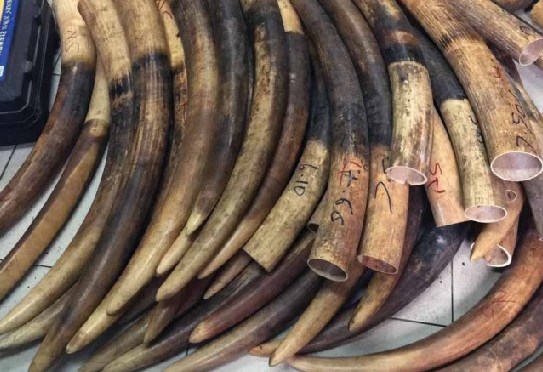
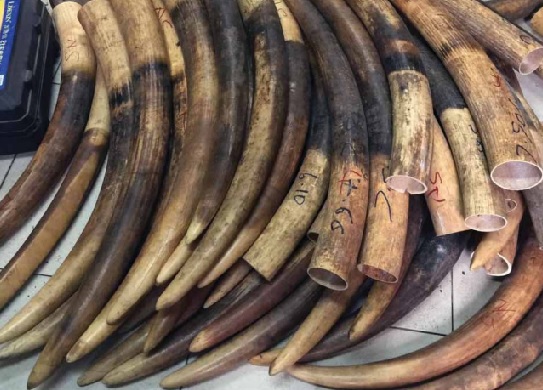

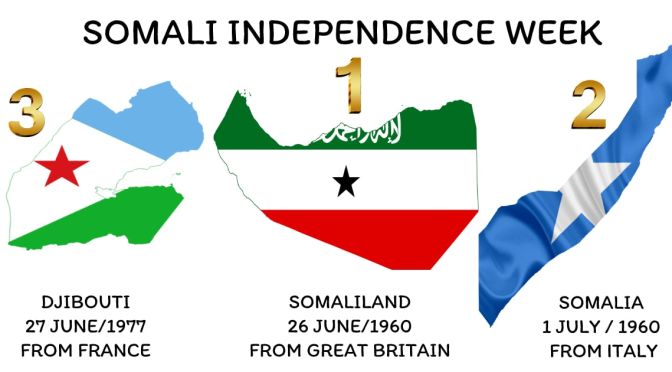

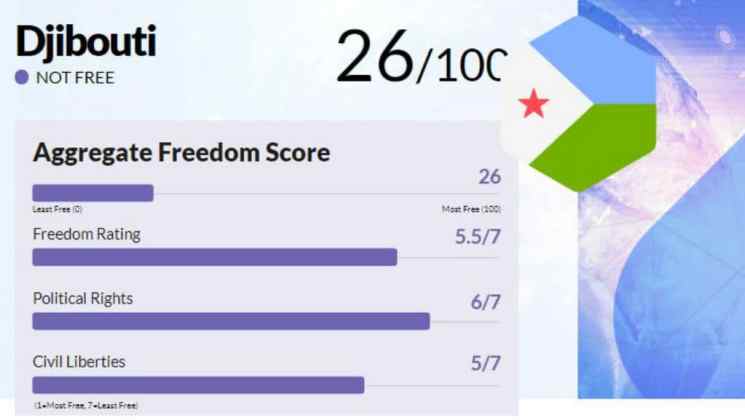
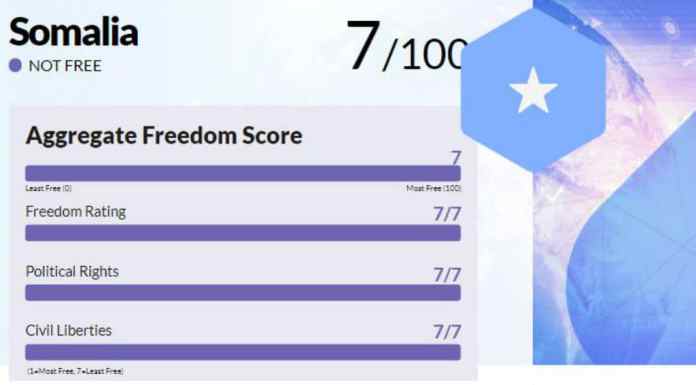
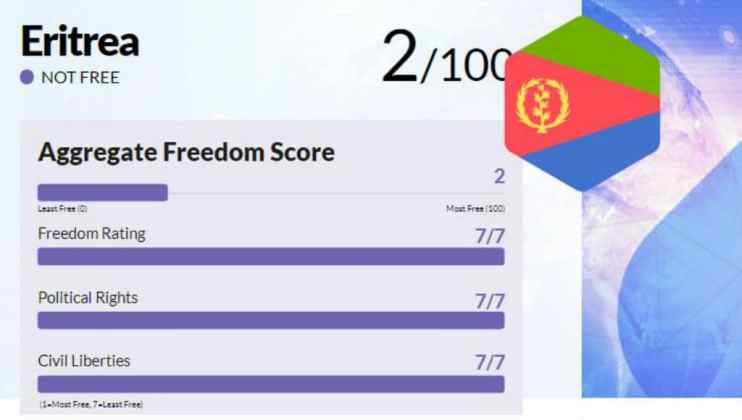
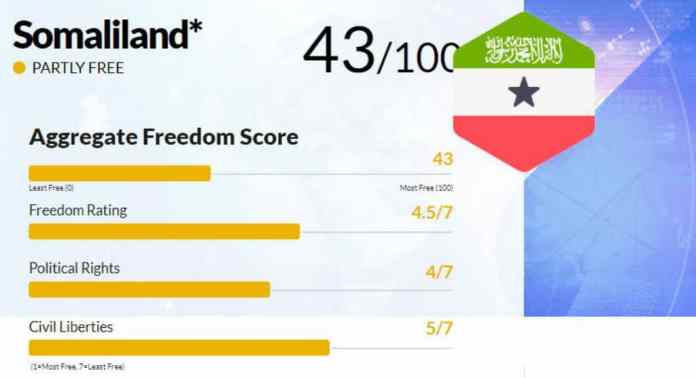
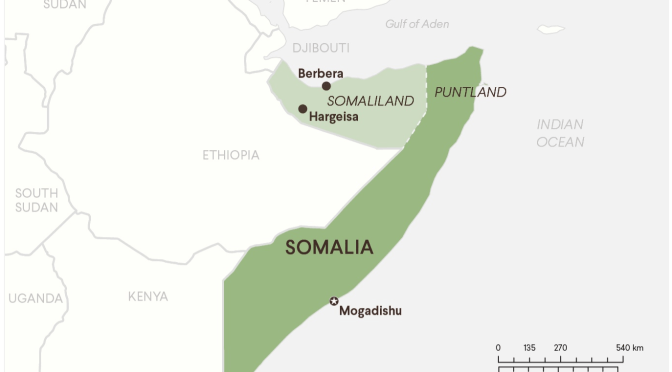
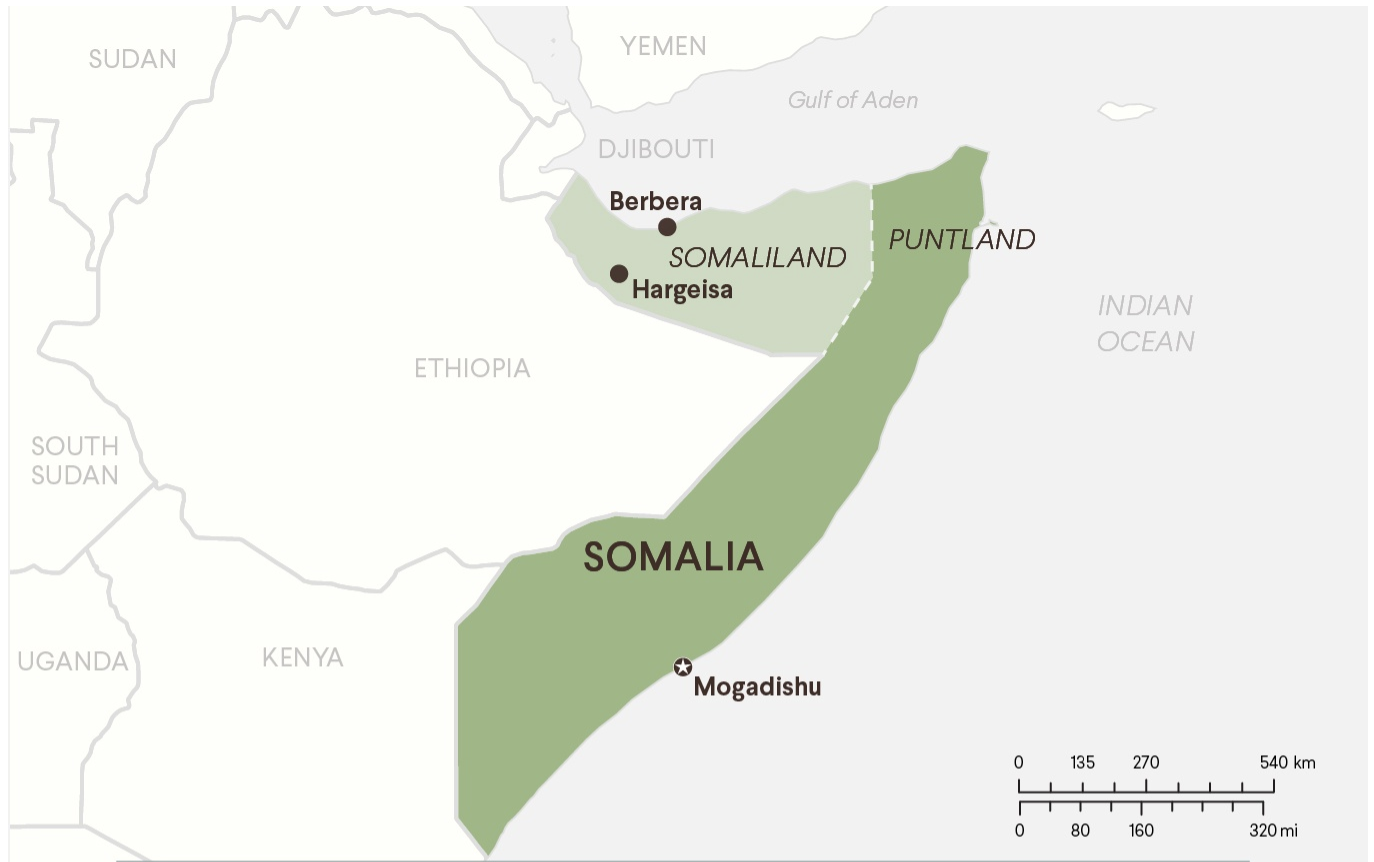
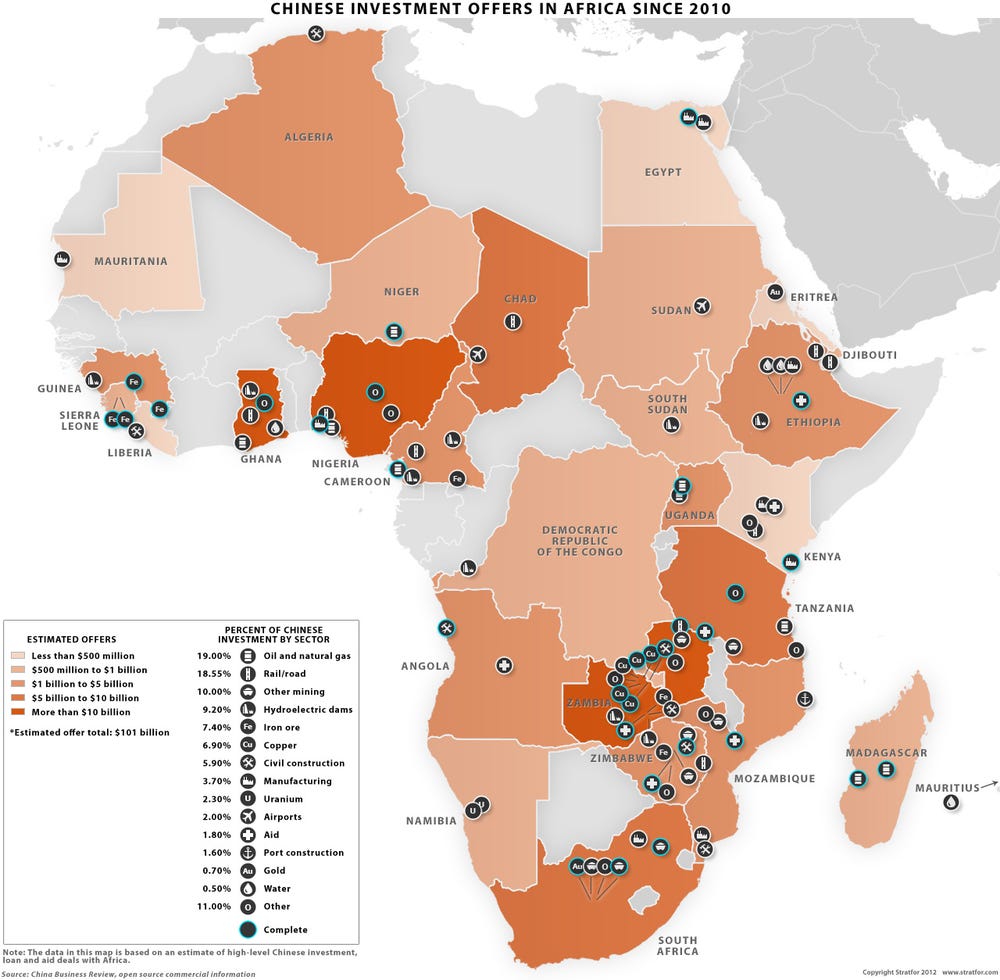
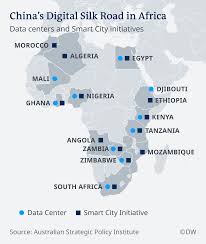

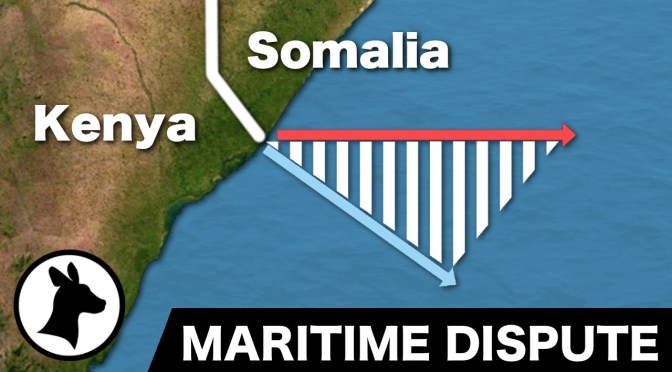
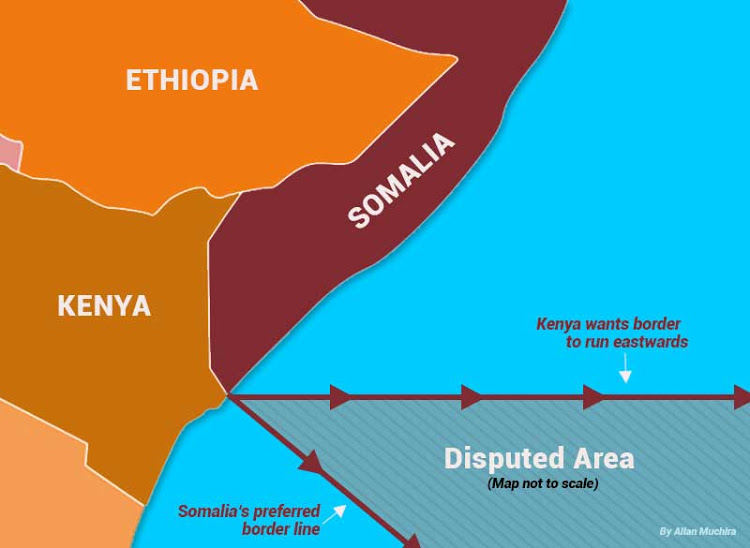
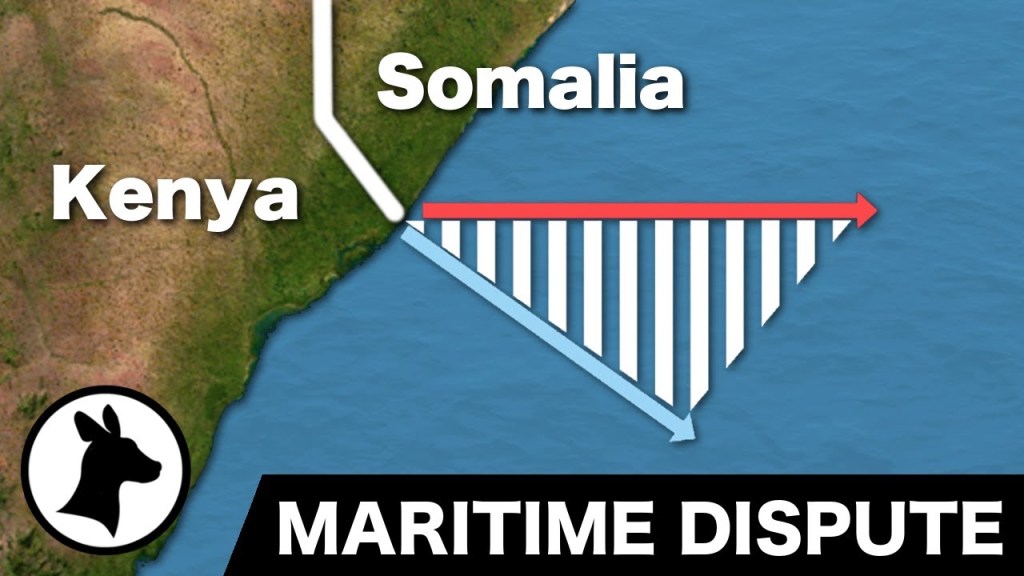
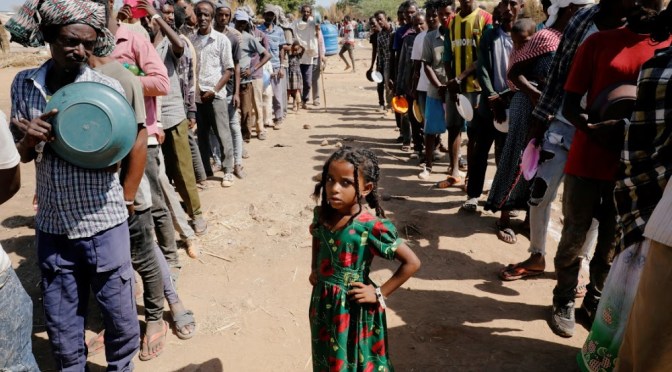
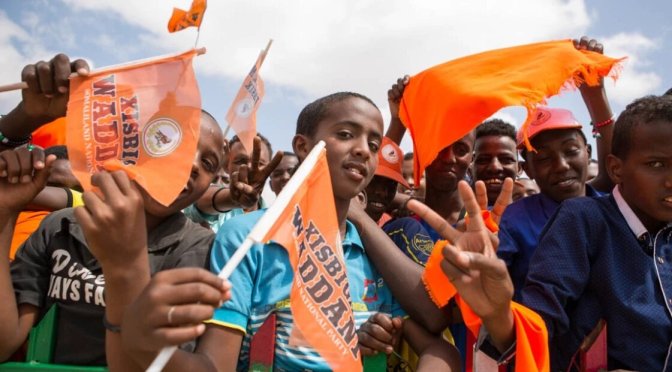
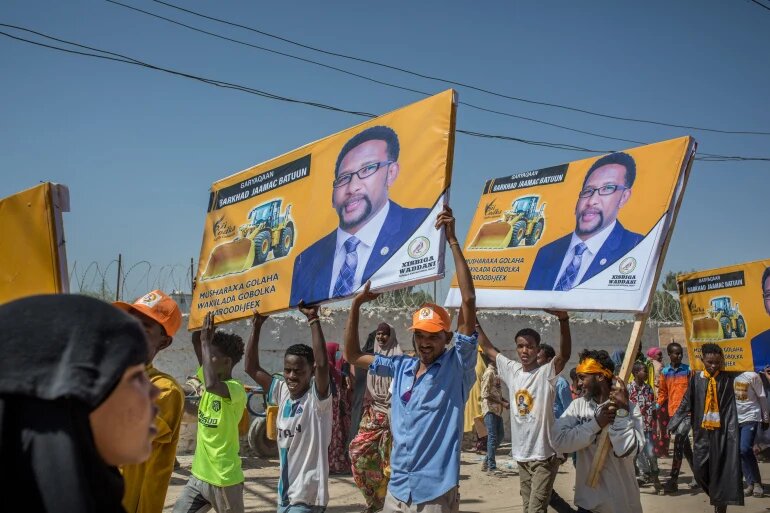

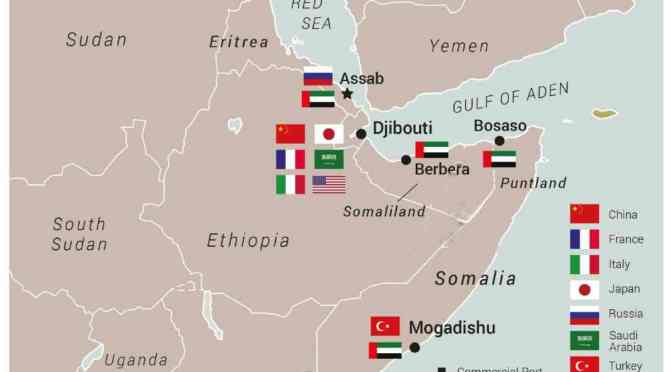

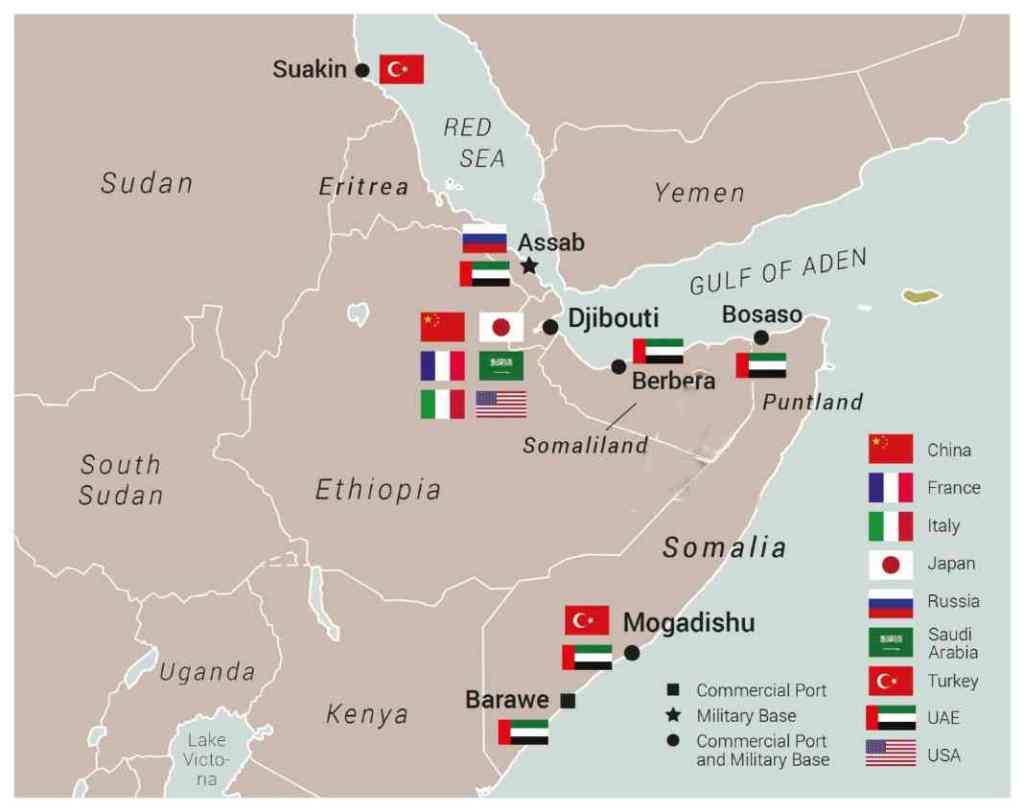
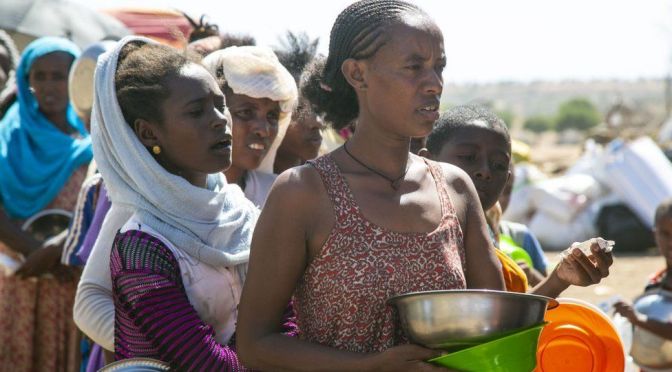
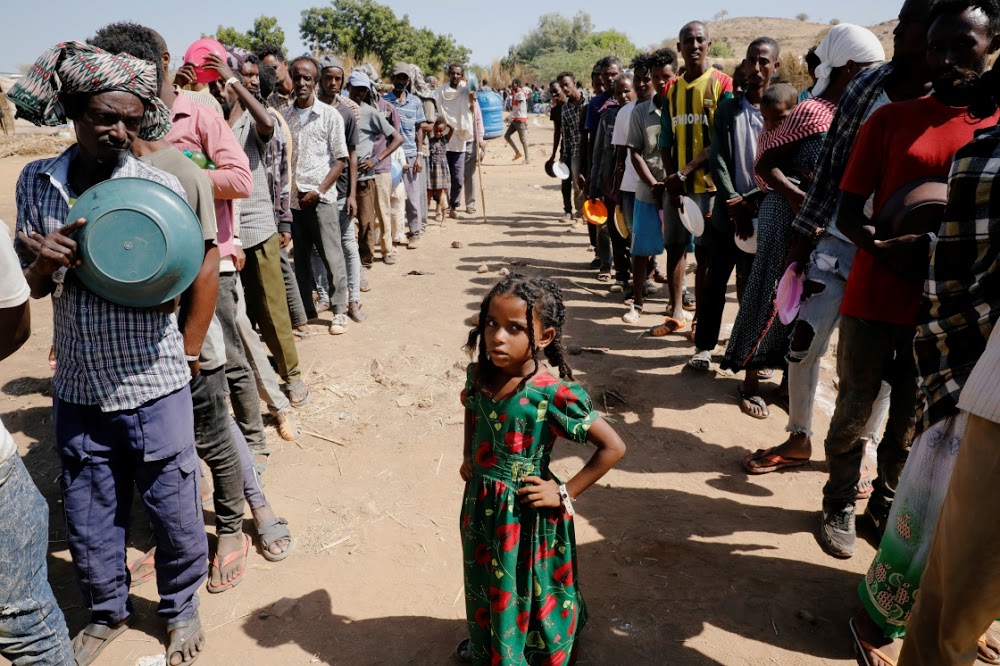
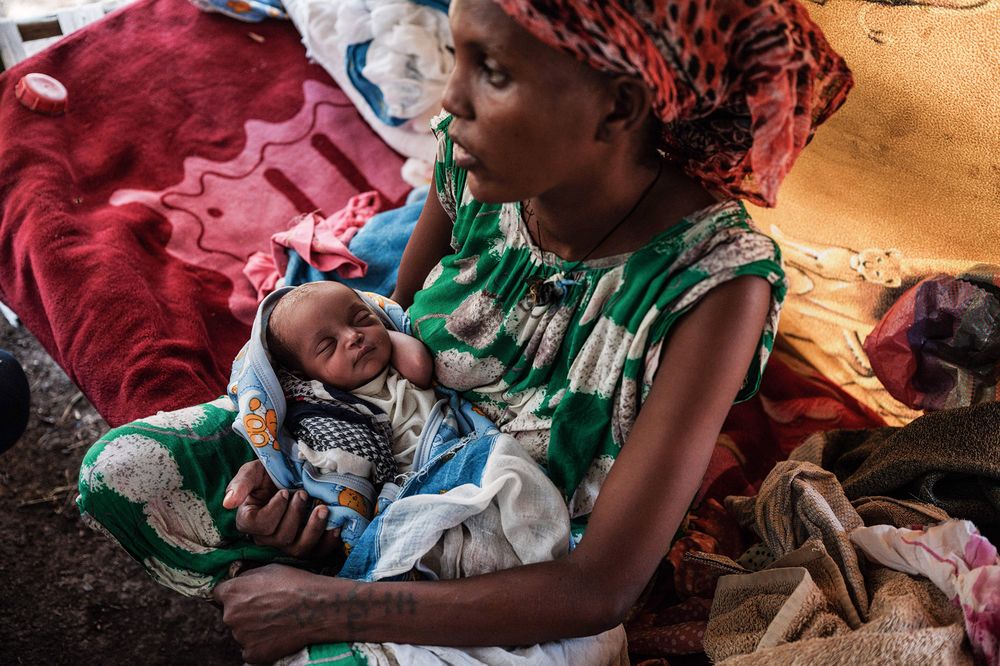

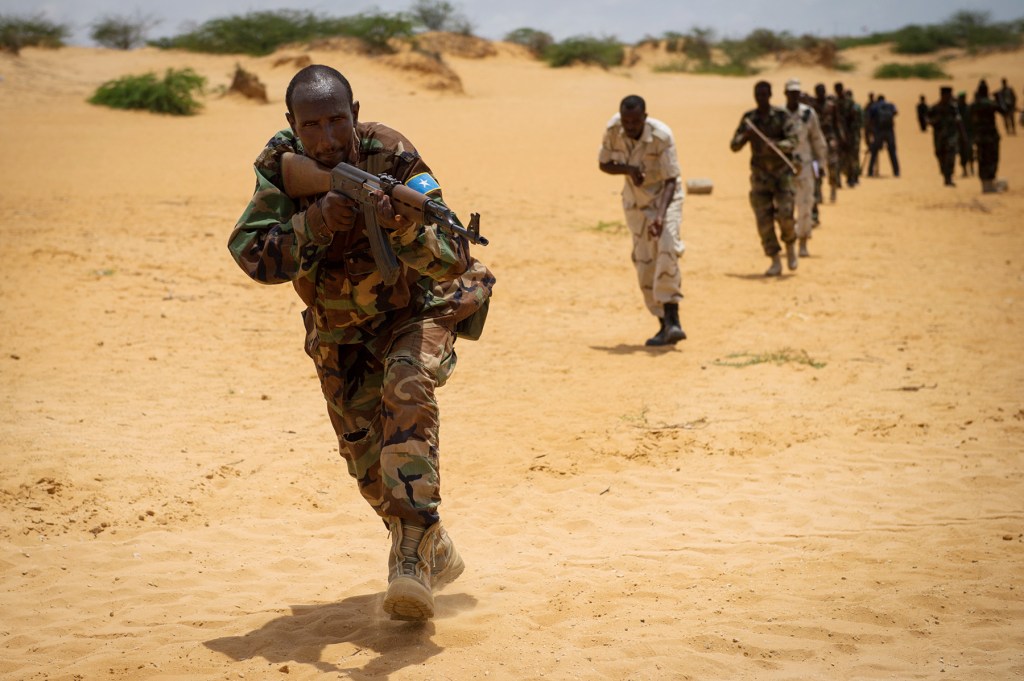

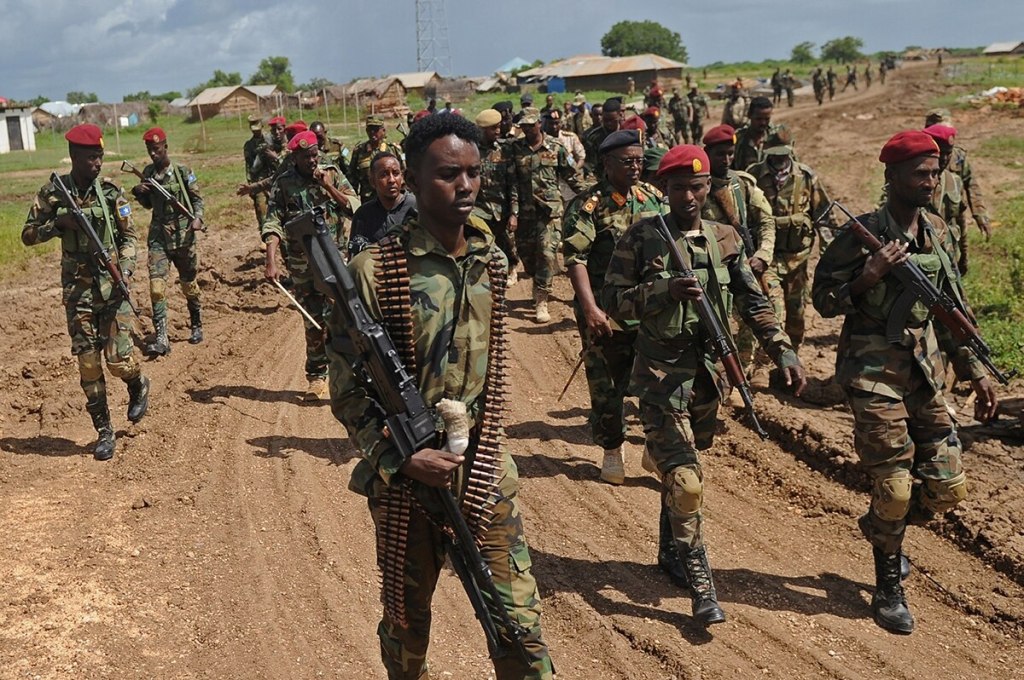
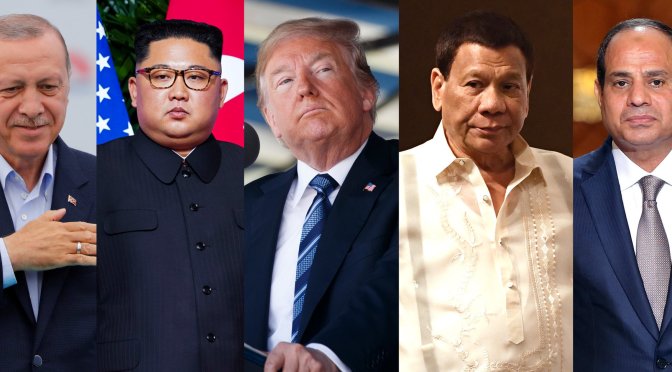




 All Africa